You press the gas, the engine revs, and the vehicle does not move the way it should. That moment gets your attention fast. If you are searching transmission slipping what to do, the short answer is this: do not ignore it, do not keep pushing it, and do not assume it will fix itself after one more drive.
A slipping transmission is one of those problems that can start small and get expensive in a hurry. Sometimes the cause is as simple as low or contaminated fluid. Other times, the issue is internal wear, overheating, or an electronic control problem. The right next step depends on what the vehicle is doing, how severe the slipping is, and whether it is still safe to drive.
What transmission slipping usually feels like
Most drivers describe slipping in a few common ways. The engine RPM climbs, but speed does not increase the way it should. The transmission may hesitate before going into gear, shift harshly, fall out of gear, or seem to hunt between gears. You might also notice a burning smell, delayed engagement when shifting from park into drive, or a sudden loss of pulling power on hills.
In some vehicles, the problem is obvious right away. In others, it only happens when the transmission is hot, under load, or at highway speed. That is why details matter. If the vehicle slips only during the first shift of the day, that points in a different direction than a transmission that slips every time you accelerate.
Transmission slipping what to do right away
Start with the simple rule: reduce risk before you worry about repair cost. If the vehicle is slipping badly, flaring between gears, or struggling to move, stop driving it unless you absolutely have to move it a short distance to safety. Continuing to drive a slipping transmission can turn a repairable issue into a full rebuild or replacement.
If the slipping is mild, there are a few things you can check before booking service. First, pay attention to the dashboard. If the check engine light is on, the vehicle may have stored transmission-related codes even if it still drives. That information helps narrow the problem down quickly.
Next, think about when the issue started. Did it begin after towing, heavy stop-and-go driving, a cold snap, or a fluid service done elsewhere? Has the vehicle ever had the transmission serviced on schedule? Those answers help separate wear-and-tear problems from maintenance issues or recent workmanship concerns.
If your vehicle has a transmission dipstick and the manufacturer allows fluid inspection, check the level and condition carefully on level ground using the proper procedure. Low fluid can cause slipping. Dark fluid, burnt-smelling fluid, or visible debris are all warning signs. If the fluid is very low, there may be a leak. If it is burnt, the transmission may have been overheating for a while.
That said, not every transmission has an owner-checkable dipstick, and fluid level on many modern vehicles has to be checked at a specific temperature. Overfilling is just as bad as underfilling. Guessing here can create more problems than it solves.
What not to do
Do not keep driving it for a week just to see if it gets better. A slipping transmission almost never improves on its own.
Do not add random additives because a bottle promises to stop slipping. In some cases, additives mask symptoms for a short time. They do not fix worn clutches, damaged solenoids, leaking seals, or internal pressure problems. They can also complicate proper diagnosis.
Do not assume a fluid flush is the automatic answer. Sometimes fluid service helps, especially if the issue is maintenance-related and caught early. Sometimes a flush on a badly worn transmission makes existing problems more noticeable. The correct service depends on condition, mileage, service history, and what the transmission is doing now.
Common causes behind a slipping transmission
Low fluid is one of the most common causes, and it is also one of the few that can sometimes be addressed before serious damage sets in. If fluid drops because of a leak at a cooler line, pan gasket, axle seal, or radiator-related issue, hydraulic pressure can fall and the transmission cannot apply gears properly.
Worn clutch packs and bands are another common cause in automatic transmissions. As friction material wears down, the transmission struggles to hold the selected gear. That usually gets worse under load, during acceleration, or once the unit warms up.
Valve body problems, failing shift solenoids, and pressure control issues can also create slipping symptoms. In those cases, the transmission may have enough mechanical life left, but it is not being commanded or pressurized correctly. Electronic issues matter too. A faulty sensor or control module problem can affect shift timing and gear engagement.
Contaminated or overheated fluid is a major factor in Calgary driving conditions, especially for work vehicles, fleets, rideshare use, and anyone doing a lot of stop-and-go driving or hauling. Heat breaks fluid down, and once the fluid stops protecting internal parts properly, wear accelerates.
For CVTs and some dual-clutch systems, slipping can feel a little different than it does in a conventional automatic, but the same principle applies: delayed response, poor acceleration, and abnormal engagement should be diagnosed early.
Can you still drive with a slipping transmission?
Sometimes you can. That does not mean you should.
If the vehicle only has a mild flare once in a while and still moves normally otherwise, you may be able to drive it carefully to a shop. But if it hesitates badly, bangs into gear, revs without moving, or struggles in traffic, towing is the safer choice. That protects the transmission and lowers the chance of being stranded in a bad spot.
This matters even more for commercial vehicles and daily drivers. One missed day is frustrating. A complete transmission failure in the middle of a work week costs a lot more than an inspection and an honest diagnosis.
How a shop should diagnose it
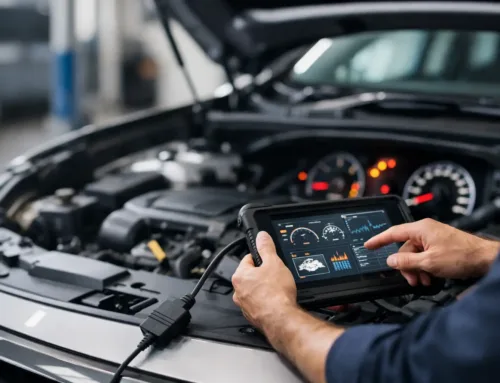
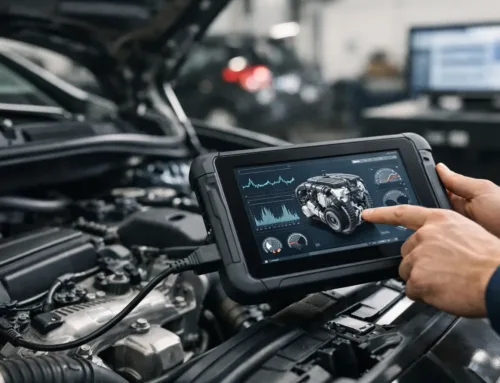
A proper transmission diagnosis should not begin and end with a guess. It should start with a road test when safe, a scan for trouble codes, and a review of fluid condition, leaks, and transmission data. Depending on the vehicle, line pressure testing, temperature checks, adaptation data, and inspection of mounts or related driveline components may also be part of the process.
This is where transparency matters. You want to know whether the issue is a maintenance problem, a repairable external fault, or internal transmission wear. Those are very different outcomes, and they should be explained clearly.
At Beyond Auto Performance, that straightforward approach matters because no one wants to put money into the wrong repair. If the fix is a leak, a solenoid, or a service issue, you should know that. If the transmission is already failing internally, you should know that too before spending money on temporary band-aids.
Repair options depend on the root cause
If the problem is caught early, the repair may be limited to fixing a leak, correcting fluid level, replacing a sensor or solenoid, or performing a recommended fluid service. That is the best-case scenario.
If internal parts are worn or damaged, the options usually move toward a rebuild, replacement transmission, or in some cases a used unit. Each has trade-offs. A rebuild can be a solid long-term solution when done properly, but cost and downtime are factors. A used transmission may cost less upfront, but its history is often unknown. A remanufactured or replacement unit can offer better consistency, though it may be more expensive.
There is no universal right answer. The right choice depends on vehicle value, mileage, intended ownership, and how the vehicle is used. For a family vehicle you plan to keep, a more durable repair often makes sense. For an older unit near the end of its service life, budget matters more.
How to lower the chances of it happening again
Regular transmission service helps, but only when it follows the right interval and fluid specification for your vehicle. Waiting until there is a problem is usually what turns normal wear into failure. Heat control matters too. Towing, aggressive driving, heavy payloads, and neglected cooling system issues all put extra strain on the transmission.
Pay attention to small changes in shift feel. A slight delay, a new shudder, or a mild flare is easier and cheaper to diagnose than a transmission that no longer moves the vehicle. The earlier you catch it, the more repair options you usually have.
If your transmission is slipping, the best move is not to hope for the best. It is to get clear answers before the problem gets bigger. A careful inspection today can save you a much larger repair tomorrow, and more importantly, it can keep your vehicle dependable when you actually need it.