A check engine light can mean a loose gas cap, a misfire that can damage a catalytic converter, or dozens of issues in between. Learning how to read engine diagnostics helps you ask better questions and make smarter repair decisions. It does not mean every code tells you which part to replace. Good diagnostics are about finding the cause, not guessing at the symptom.
Start With the Warning Light Itself
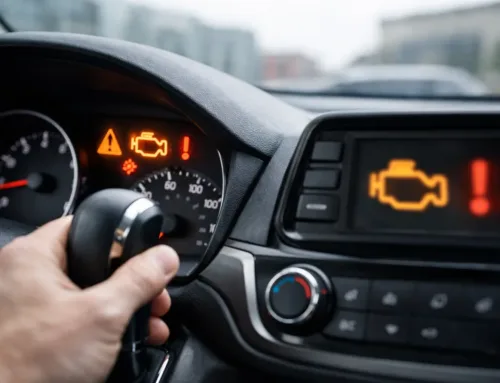
Before connecting a scanner, look at what the vehicle is telling you. A steady check engine light usually means the engine computer has stored a fault that needs attention soon. The vehicle may still drive normally, but delaying service can affect fuel economy, emissions, and long-term reliability.
A flashing check engine light is different. It commonly indicates an active misfire severe enough to send unburned fuel into the exhaust. Continuing to drive can overheat and ruin the catalytic converter, turning a smaller repair into a much larger one. Reduce load, avoid hard acceleration, and arrange for service as soon as possible.
Other warning lights matter too. An oil pressure, overheating, or battery charging warning is not an engine-code situation to monitor for a few weeks. Safely stop the vehicle and address the problem before engine damage occurs.
How to Read Engine Diagnostics From a Scan Tool
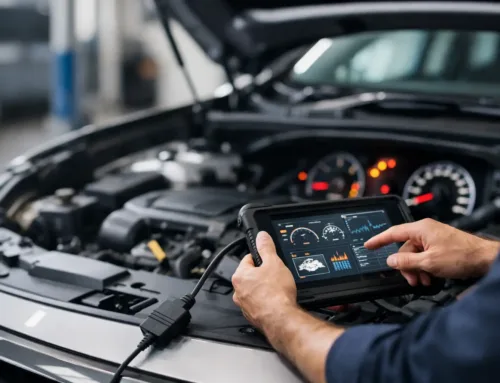
Most vehicles sold in the U.S. since 1996 use OBD-II, or onboard diagnostics. A basic code reader plugs into the diagnostic port, usually located beneath the dashboard on the driver’s side. It can retrieve diagnostic trouble codes, often called DTCs.
The code format gives you a starting point. A code such as P0302 breaks down this way:
- P means powertrain, covering the engine, transmission, and emissions systems.
- 0 generally identifies a standardized, generic code. A 1 often indicates a manufacturer-specific code.
- 3 points to an ignition or misfire-related category.
- 02 identifies the specific cylinder or fault within that category.
In this example, P0302 means the computer detected a misfire on cylinder two. It does not automatically mean the spark plug is bad. The cause could be a worn plug, failing ignition coil, fuel injector issue, vacuum leak, compression problem, wiring fault, or even an engine timing concern.
That distinction is where many DIY repairs go wrong. A scanner identifies what system saw an abnormal result. Proper testing determines why it happened.
Current, Pending, and Permanent Codes
Pay attention to the status of each code, not just its description. A current or confirmed code means the fault has occurred often enough for the computer to set the light. A pending code means the system noticed a possible issue but has not yet seen it enough times to confirm it. This can be useful when a problem is intermittent.
Permanent codes remain in memory until the vehicle completes its self-tests and confirms the repair worked. Clearing codes does not erase the underlying issue or guarantee a permanent code will disappear immediately. If the fault is still present, the warning light will return.
Use Freeze-Frame Data Before Clearing Anything
When a fault sets, many vehicles save a snapshot called freeze-frame data. This records operating conditions at the moment the code was triggered, such as engine speed, coolant temperature, vehicle speed, fuel trims, and engine load.
Freeze-frame information can reveal patterns a code alone cannot. For example, a lean-condition code that occurs only during cold idle points the diagnosis in a different direction than the same code appearing at highway speed under heavy load. Cold-start faults may involve air leaks, sensor readings, or fuel delivery. High-load faults can point toward fuel volume, ignition breakdown, or exhaust restriction.
Do not clear the codes before writing down the details. Clearing them removes valuable evidence and can make a technician’s job take longer. If the light is on, take a photo of the code list and freeze-frame screen, then note when you first noticed the issue, whether the engine was cold or warm, and any changes in how the vehicle drives.
Read Live Data, Not Just Code Numbers
Professional scan tools can display live sensor data while the engine runs. This is where diagnostics become more meaningful, but numbers need context. A reading that looks unusual may be normal for a particular vehicle, temperature, altitude, or driving condition.
Fuel trims are a useful example. Short-term fuel trim shows how much the computer is adjusting fuel delivery right now. Long-term fuel trim shows the correction it has learned over time. Consistently high positive fuel trims suggest the computer is adding fuel because it believes the mixture is lean. Possible causes include unmetered air entering the engine, low fuel pressure, a contaminated mass airflow sensor, or an exhaust leak ahead of an air-fuel sensor.
A sensor code also requires care. If a scan tool shows an oxygen sensor reading outside its expected range, the sensor may be failing. But the sensor may also be correctly reporting a genuine fuel mixture, ignition, or exhaust issue. Replacing it without testing can waste money and leave the original problem untouched.
Misfire counters, coolant temperature, throttle position, intake air readings, battery voltage, and transmission data can all help narrow down a concern. The best approach is to compare readings with manufacturer specifications and test results, rather than relying on one number in isolation.
Match the Code to What You Feel and Hear
Your own observations are part of engine diagnostics. A code reader cannot hear a rattle at startup, feel a hesitation when merging, or notice a fuel smell after parking. Those details help connect computer data to real-world conditions.
Tell the technician if the issue occurs during acceleration, at idle, on cold mornings, after filling the fuel tank, while towing, or only after the vehicle has been driven for an hour. Fleet vehicles especially benefit from this information because repeated route conditions, long idle time, payload, and stop-and-go use can shape how a fault appears.
Also pay attention to recent work. A concern that starts after a battery replacement, air filter service, collision repair, or engine work may involve a loose connector, damaged hose, incorrect installation, or a system that needs to be relearned. That does not prove the recent repair caused it, but it is relevant diagnostic history.
Avoid the Most Common Diagnostic Mistakes
The biggest mistake is treating a trouble code as a parts-shopping list. Replacing coils, plugs, sensors, and injectors one at a time may eventually solve a problem, but it can become expensive quickly. It also introduces new variables, especially with low-quality aftermarket parts.
Another mistake is using code clearing as a repair. The light may stay off for a short period because the monitor has not run again. That can create a false sense of security and cause problems during an emissions test or before a long trip.
Be cautious with cheap Bluetooth scanners as well. They can be useful for reading basic codes and checking simple data, but app descriptions are often overly broad. A generic definition may not explain manufacturer-specific logic, service bulletins, wiring issues, or mechanical failures. Tool quality matters, but technician experience and proper testing matter more.
When Professional Testing Is Worth It
A professional diagnosis is a good investment when the check engine light flashes, the vehicle stalls, loses power, overheats, has multiple related codes, or keeps returning the same code after a repair. The same applies when a transmission, hybrid, diesel aftertreatment, or advanced driver-assistance system is involved.
Proper testing may include checking fuel pressure, inspecting wiring voltage drops, smoke-testing for vacuum leaks, testing ignition output, measuring engine compression, checking timing, or using an oscilloscope to evaluate sensor signals. These tests take more time than plugging in a scanner, but they prevent unnecessary repairs.
For Calgary drivers, cold weather, short trips, and long idle periods can also expose battery, charging, fuel-mixture, and emissions-system issues that are less obvious in mild conditions. Beyond Auto Performance can document findings clearly and explain which repairs are urgent, which can be planned, and why.
The best next step after reading a code is simple: save the information, pay attention to the vehicle’s behavior, and get the cause tested before a warning becomes a roadside problem.