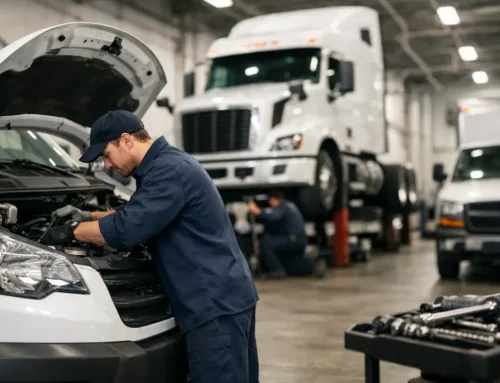
A Honda repair specialist does more than replace parts when a warning light comes on. The real job is to understand how the vehicle has been maintained, identify the source of the concern, and make repairs that protect the dependability Honda owners expect. Whether you drive a Civic to work, rely on a Pilot for family trips, or operate a Honda fleet vehicle, accurate service helps prevent small issues from turning into expensive downtime.
Honda vehicles have a strong reputation for long service life, but that reputation depends on regular maintenance and repairs performed with care. A shop should be able to explain what it found, why the repair is recommended, what can safely wait, and what needs attention now.
Why Honda-Specific Experience Makes a Difference
Most general repair shops can handle basic oil changes and brake work. Specialized Honda experience becomes more valuable when the concern involves diagnostics, engine performance, transmission behavior, electrical systems, or a repair that has already been attempted elsewhere.
Honda and Acura vehicles use their own maintenance schedules, common component designs, diagnostic procedures, and service information. Knowing the patterns can speed up the diagnostic process without replacing parts based on guesswork. For example, a vibration may come from worn suspension components, tire balance, wheel damage, brake issues, or an alignment concern. The right answer comes from inspection and testing, not assumptions.
That experience also matters when warning lights are involved. A check engine light can be caused by something relatively minor, such as a fuel vapor system issue, or it can point to a misfire that may damage the catalytic converter if ignored. Reading a code is only the first step. A proper diagnosis confirms the failure before recommending a repair.
Maintenance That Keeps a Honda Reliable
The best repair visit is often the one that prevents a breakdown. Honda maintenance is not about selling every possible service at every appointment. It is about following the vehicle’s condition, mileage, service history, and manufacturer recommendations.
Oil and filter changes are a clear example. The correct interval can depend on driving habits, oil type, engine condition, and the vehicle’s maintenance reminder system. A Honda used mostly for short trips, heavy traffic, rideshare work, or Calgary winter driving may need closer attention than one used for steady highway miles.
Fluid condition is just as important. Engine oil, brake fluid, coolant, transmission fluid, and differential fluid all have different jobs and service needs. These fluids should be inspected and serviced based on the proper schedule and their actual condition. Skipping service can shorten the life of costly components, while unnecessary service adds expense without value.
A thorough maintenance appointment should also look at brakes, tires, steering, suspension, belts, hoses, battery health, lights, and visible leaks. The goal is to give you a clear picture of your vehicle, not create pressure to approve a long list of repairs.
Timing Belts, Chains, and Major Scheduled Service
Not every Honda has the same engine design. Some engines use timing chains, while others use timing belts that require replacement at a specified interval. This is one area where guessing can be expensive.
A worn or overdue timing belt may fail without much warning. On engines where internal components can contact each other after a belt failure, the result can be major engine damage. A qualified shop should verify the engine, review the maintenance history, and explain the recommended timing belt service along with related components that make sense to replace at the same time.
Timing chain concerns require a different approach. Noise at startup, timing-related fault codes, poor oil maintenance, or drivability changes may call for further testing. Replacing a chain assembly without confirming the cause is not good service, but ignoring symptoms can lead to bigger trouble.
What Proper Honda Diagnostics Look Like
Good diagnostics begin with listening. Details such as when a noise happens, whether a light flashes or stays on, how the vehicle feels during acceleration, and whether the issue occurs cold or hot can narrow the search quickly.
From there, a technician should inspect the vehicle, scan for diagnostic information, and test the relevant system. Depending on the problem, that may include checking fuel pressure, ignition performance, battery and charging voltage, sensor readings, cooling system pressure, or transmission operation. The process varies because the cause varies.
Digital vehicle inspections can be especially helpful here. Photos and clear notes let owners see worn brake pads, a leaking strut, a damaged tire, or a corroded battery terminal rather than relying on a vague description. You should leave with an explanation that makes sense, including repair priority and a clear estimate before work begins.
Be cautious of a shop that recommends major repairs immediately after pulling a code. Trouble codes identify an affected system or condition, not always the failed part. An honest diagnosis may take more time upfront, but it can save money by avoiding repeat repairs.
Brakes, Tires, Alignment, and Suspension Work Together
A Honda that pulls to one side, shakes at highway speed, clunks over bumps, or wears tires unevenly needs more than a quick visual check. Brakes, tires, wheel alignment, and suspension all affect handling and safety.
Brake service should include more than installing pads. Rotor condition, caliper movement, brake fluid, hoses, hardware, and tire condition all deserve attention. The right repair depends on measurements and wear patterns. Sometimes pads are all that is needed. Other times, rotors, calipers, or brake fluid service are part of restoring safe and consistent braking.
Alignment should also be based on a complete inspection. If a worn ball joint, tie rod, control arm bushing, or strut is causing the alignment to shift, adjusting the angles without repairing the worn part may only provide a temporary result. For drivers dealing with potholes, curb impacts, or changing road conditions, this is a practical investment in tire life and predictable handling.
Transmission and Engine Repairs Need a Careful Approach
Honda engines and transmissions are built to last, but neglect, overheating, fluid issues, and age can eventually create problems. Symptoms such as slipping, harsh shifting, delayed engagement, overheating, oil consumption, coolant loss, or a persistent engine misfire should be checked early.
Transmission concerns are a good example of why diagnosis matters. A shift issue may be related to fluid condition, a software or electrical concern, a mount problem, internal wear, or a drivability issue that feels like a transmission failure. No reputable shop should jump straight to a major repair without confirming what is happening.
The same applies to engine work. Oil leaks, valve adjustments where applicable, ignition repairs, cooling system service, gasket replacement, and internal engine repairs each require a different level of inspection. The most affordable repair is not always the lowest initial estimate. It is the repair that addresses the actual cause and holds up over time.
Questions to Ask Before Choosing a Honda Repair Specialist
You do not need to be a technician to choose a good shop. Start by asking how the shop will diagnose the concern and whether it will contact you before proceeding with additional work. Ask for an explanation of the repair priority, parts options if they are available, and the warranty coverage on labor and parts.
It is also reasonable to ask whether the shop can maintain your Honda according to manufacturer recommendations without requiring dealership pricing. For many owners, an independent shop with the right experience provides a practical balance of specialized care, clear communication, and value.
For commercial vehicles and high-mileage drivers, ask about maintenance planning as well. A vehicle that is essential for deliveries, rideshare trips, or daily work needs a service plan that reduces unexpected downtime. Scheduling maintenance around operating needs is often easier and less costly than reacting to a breakdown.
Honest Recommendations Are Part of the Repair
A trustworthy shop separates urgent safety concerns from maintenance items that can be planned for later. A damaged tire, severe brake wear, overheating issue, or active misfire may need immediate action. A minor seepage or component beginning to wear may be something to monitor and budget for.
That distinction matters. Vehicle ownership already comes with enough unexpected expenses. Clear recommendations give you the information to make a decision without feeling pushed into work that does not fit the condition of the vehicle or your budget. If financing is needed for a larger repair, discussing options upfront can make safe, necessary service more manageable.
At Beyond Auto Performance, Honda service is approached with the same standard applied to every repair: inspect carefully, explain clearly, and do the work correctly. If your Honda has a warning light, unusual noise, handling concern, or maintenance reminder, addressing it while the symptom is still small is often the easiest way to keep your vehicle ready for the road.