A warning light is not the first sign your vehicle needs attention. A weak battery, low tire pressure, contaminated oil, or worn brake pads often give quieter clues first. This routine car maintenance checklist helps you stay ahead of expensive repairs, avoid avoidable breakdowns, and make informed decisions when it is time to book service.
Maintenance is not about replacing parts for the sake of it. It is about checking the systems that wear, age, or lose their effectiveness over time. The right schedule depends on your vehicle, mileage, driving conditions, and manufacturer requirements, but a consistent routine gives you a strong starting point.
How to Use This Routine Car Maintenance Checklist
Start with your owner’s manual. Its maintenance schedule is the baseline for protecting your warranty and caring for your specific engine, transmission, fluids, and filters. A vehicle used for short trips, stop-and-go commuting, towing, rideshare work, or commercial delivery may need service more often than one driven mostly on the highway.
Keep a record of oil changes, tire rotations, inspections, and repairs. Digital vehicle inspections and service invoices make this easier. Good records help a technician spot patterns, support resale value, and prevent you from paying twice for work that was already completed.
Every time you fuel up or once a month
A quick walk-around takes only a few minutes and can catch issues before they affect safety. Check tire pressure when the tires are cold, including the spare if your vehicle has one. Use the pressure listed on the driver’s door placard, not the maximum pressure molded into the tire sidewall.
Look for uneven tread wear, nails, sidewall cracks, or bulges. Uneven wear can point to alignment, suspension, or inflation issues. In Calgary, potholes and seasonal temperature swings make these checks especially worthwhile.
Check engine oil if your vehicle has a dipstick, and watch for new fluid spots under the vehicle. Clear water under the air conditioning area is generally normal. Dark oil, colored coolant, or reddish transmission fluid on the ground deserves a closer look. Also confirm that your headlights, brake lights, turn signals, and wipers are working properly.
Pay attention while driving. A new vibration, pulling sensation, brake squeal, slow crank, burning smell, or change in fuel economy is useful diagnostic information. It does not always mean a major repair is coming, but it is easier and less costly to inspect a concern early.
Service Items to Check Every 5,000 to 10,000 Miles
For many drivers, this is the regular maintenance appointment. The exact oil-change interval varies widely. Some vehicles call for service around 5,000 miles under severe conditions, while others can go longer with the correct full-synthetic oil. Time matters too. Even a low-mileage vehicle generally should not go years between oil changes.
At this visit, have the engine oil and filter changed according to the manufacturer’s schedule. The technician should also inspect fluid levels, belts, hoses, battery condition, tire tread, brake components, steering and suspension, and visible leaks. This is not a sales pitch when done correctly. It is a way to identify wear and explain what is urgent, what can wait, and what should be monitored.
Tires should usually be rotated at the same time, often every 5,000 to 8,000 miles. Rotation helps all four tires wear more evenly, but the correct pattern depends on whether your tires are directional, staggered, or the same size front to rear. After a tire rotation, a road test and tire-pressure check help confirm everything feels right.
If your vehicle has a cabin air filter, ask to have it inspected. A dirty filter can reduce airflow through the heat and air conditioning system and may contribute to window fogging. For drivers dealing with dusty roads, wildfire smoke, or frequent city traffic, it may need replacement sooner than the longest published interval.
Maintenance to Plan by Mileage and Age
Some components do not need attention at every oil change, but ignoring them until a problem appears can be risky. Use your owner’s manual as the final word, then adjust based on actual driving conditions.
Brakes, alignment, and suspension
Brake pads and rotors wear at different rates depending on vehicle weight, driving habits, terrain, and traffic. There is no honest one-size-fits-all replacement mileage. Have brakes inspected regularly and sooner if you hear grinding, feel pulsation, notice a soft pedal, or see a brake warning light.
A wheel alignment is not a routine replacement item, but it should be checked when tires wear unevenly, the steering wheel is off-center, the vehicle pulls, or after a hard pothole impact. Worn shocks, struts, ball joints, or other suspension parts can also cause tire wear and handling concerns. Replacing tires without addressing the underlying issue can waste a significant investment.
Fluids, filters, and spark plugs
Coolant, brake fluid, transmission fluid, differential fluid, and transfer case fluid all have service intervals or condition requirements. These fluids do different jobs, and they should not be replaced on guesswork alone. A qualified inspection can verify fluid condition, leaks, and the correct manufacturer-approved specification.
Brake fluid absorbs moisture over time, which can reduce its effectiveness and contribute to internal corrosion. Coolant protects against freezing, overheating, and corrosion, so the right type and mixture matter. Transmission service is particularly vehicle-specific. Some transmissions need periodic fluid service, while others have different inspection procedures. Using the wrong fluid or applying a generic interval is not worth the risk.
Engine air filters, cabin air filters, and spark plugs should be inspected and replaced at the recommended interval. A clogged engine air filter can affect performance, while worn spark plugs may lead to rough running, hard starts, poor fuel economy, or a check engine light. Many modern plugs last a long time, so replacing them too early is unnecessary, but waiting too long can create avoidable problems.
Battery, charging, and seasonal checks
A battery can test weak before it fails completely. Have it tested before winter, especially if it is more than three years old, the vehicle starts slowly, or electronics behave inconsistently. Battery terminals should be clean and secure, and the charging system should be checked if the battery repeatedly goes dead.
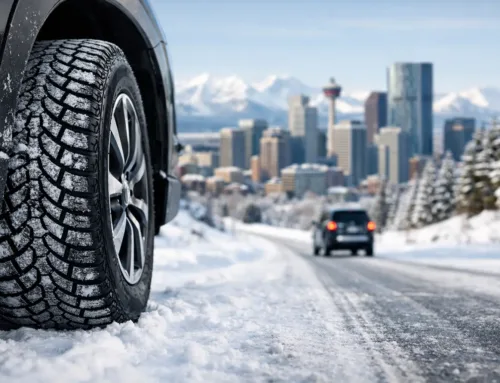
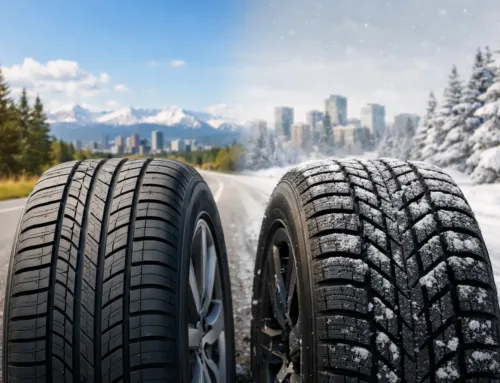
Before cold weather arrives, confirm coolant protection, tire condition, wiper performance, washer fluid level, heater operation, and defroster function. Winter tires provide better cold-weather grip than all-season tires once temperatures stay consistently low. In spring, inspect the windshield for chips, check underbody damage after winter driving, and make sure the air conditioning is ready before the first hot stretch.
What Should Never Be Put Off
Some concerns are maintenance items; others are safety concerns that need prompt diagnosis. Do not wait on these signs:
- A flashing check engine light, which can indicate a misfire that may damage the catalytic converter.
- A red oil-pressure or temperature warning light, especially if accompanied by overheating or engine noise.
- Grinding brakes, a brake warning light, or a brake pedal that feels soft or sinks.
- A strong fuel smell, smoke, visible fluid leak, or repeated overheating.
- Severe steering pull, tire bulge, major vibration, or a wheel that feels loose.
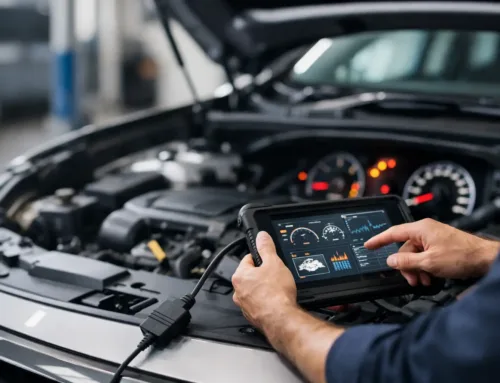
If a warning light comes on, avoid assuming it is minor because the vehicle still drives. A diagnostic scan is only the first step. The fault code points a technician toward a system, but proper testing is what confirms the actual cause.
Avoid Maintenance That Does Not Fit Your Vehicle
Not every recommended service is necessary at every visit. Be cautious of vague packages that do not explain what fluid, filter, or inspection is included. Ask what the manufacturer calls for, what condition the technician found, and what could happen if the work is delayed.
A trustworthy shop should be able to separate immediate safety needs from recommended maintenance and future watch items. That gives you control over your budget without ignoring the repairs that protect your vehicle. For fleets, that same approach helps schedule downtime before a small issue sidelines a work vehicle.
Beyond Auto Performance can help Calgary drivers build a maintenance plan around their vehicle’s actual requirements, mileage, and use, whether it is a family SUV, commuter car, work truck, or commercial fleet vehicle.
The best time to schedule maintenance is before a dashboard light, a failed start, or worn tires force the decision. Keep your records, listen to changes in your vehicle, and book an inspection when something does not feel right. That simple habit is one of the most practical ways to keep your vehicle dependable for the miles ahead.