A car with 150,000 miles does not automatically need to be replaced. It needs a smarter service routine. The best maintenance plan for older cars is not about throwing parts at every noise or following a generic checklist without question. It is about tracking the systems that wear with age, catching small problems early, and making repair decisions based on safety, reliability, and the real condition of the vehicle.
For drivers who depend on an older car for work, family trips, commuting, or fleet service, consistency matters more than perfection. A well-maintained older vehicle can remain dependable for many years. A neglected one can turn a minor fluid leak or worn bushing into a breakdown at the worst possible time.
Start With a Baseline Inspection
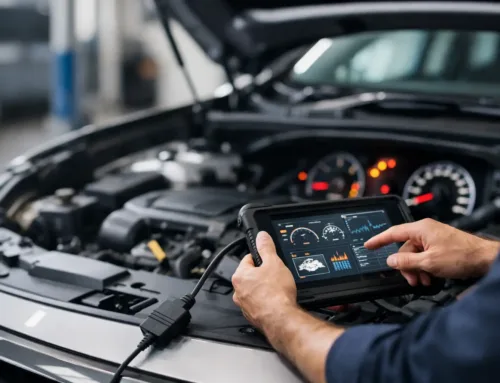
If you recently bought an older vehicle, inherited one, or have fallen behind on maintenance, begin with a thorough inspection rather than guessing what it needs. Service records are helpful, but they do not tell the whole story. A technician should inspect the vehicle’s fluids, brakes, tires, steering and suspension, battery and charging system, belts, hoses, exhaust, and visible leaks.
This first appointment creates a maintenance baseline. It separates urgent safety concerns from work that can be planned for later, which is especially valuable when you are managing a repair budget. Transparent diagnostics matter here. You should know what was found, why it matters, and what can reasonably wait.
On an older Honda, Acura, or other mainstream vehicle, the engine and transmission may still be in great shape while the surrounding wear items need attention. That is normal. Rubber components, seals, suspension parts, and electrical connections age even when the vehicle has relatively low mileage.
The Best Maintenance Plan for Older Cars Is Interval-Based
Mileage is still useful, but time, driving habits, and local conditions also affect service needs. Short trips, heavy traffic, towing, rough roads, extreme heat, and Calgary’s winter temperatures can all add stress. Use the manufacturer’s maintenance schedule as a starting point, then adjust it when an inspection shows age-related wear.
Every oil service: protect the engine and look beyond the oil
For many older cars, an oil and filter change every 5,000 miles or about six months is a sensible conservative interval, particularly with conventional oil, frequent short trips, or high-mileage driving. Some vehicles using the correct full synthetic oil can safely go longer, but an older engine that consumes oil, leaks oil, or sees severe service should not be stretched to the limit.
Each oil service should also include a quick look at fluid levels, tire condition and pressure, brake wear, leaks, lights, wiper performance, and the battery. This is one of the simplest ways to spot a problem before it becomes expensive. A slight coolant loss, uneven tire wear, or damp spot around a strut can be an early warning rather than an emergency.
Every 6,000 to 10,000 miles: rotate tires and inspect brakes
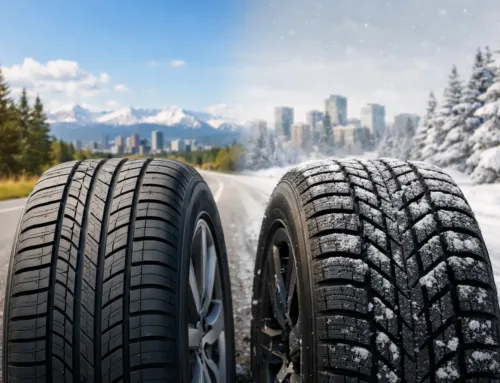
Tires are often where an older vehicle reveals suspension or alignment problems. Rotate them at regular intervals, check tread depth, and correct tire pressure. If the inside or outside edges are wearing faster than the rest of the tire, do not simply replace the tire and move on. Ask for an alignment and suspension inspection.
Brake inspections should include more than pad thickness. Rotors, calipers, brake hoses, hardware, brake fluid condition, and parking brake operation all matter. Older vehicles may develop seized calipers, corroded brake lines, or sticking hardware long before the pads appear completely worn out.
Annually: test the systems that leave people stranded
A yearly inspection is a good time to test the battery, alternator, starter performance, heating and air conditioning, and windshield washer system. Batteries can weaken quickly in cold weather, and a marginal charging system may not show obvious symptoms until the vehicle will not start.
Have the cooling system checked for proper freeze protection, leaks, and hose condition. Overheating is one of the fastest ways to turn an otherwise repairable older car into a major engine repair. Pay attention to the temperature gauge, coolant smell, puddles under the vehicle, and a heater that suddenly blows cold.
At manufacturer-recommended intervals: replace critical fluids
Engine oil gets most of the attention, but it is not the only fluid that protects expensive components. Brake fluid absorbs moisture over time and may need replacement every two to three years, depending on the vehicle and test results. Transmission fluid, coolant, differential fluid, transfer case fluid, and power steering fluid should be serviced according to the manufacturer schedule and the vehicle’s actual use.
There is a trade-off with high-mileage transmissions. If a transmission has been neglected for years and is already slipping or shifting poorly, a fluid service may not solve the underlying problem. That does not mean fluid maintenance is harmful. It means the vehicle needs an honest diagnosis before any service is recommended.
Do Not Ignore Rubber, Belts, and Suspension Parts
Age is hard on rubber. Tires can look like they have plenty of tread yet be unsafe because they are old, cracked, or hardened. Hoses may soften or split internally. Engine mounts, control arm bushings, sway bar links, and CV boots can wear gradually until the vehicle rides poorly, clunks over bumps, or loses stable handling.
A timing belt is especially important. If your vehicle uses one, replace it by the manufacturer’s mileage and time interval, even if it looks acceptable from the outside. A broken timing belt can cause severe engine damage on many engines. Timing chains usually last longer, but rattling at startup, trouble codes, or poor maintenance history should be investigated promptly.
Suspension repairs can feel easy to postpone because the car still moves. But worn shocks, struts, ball joints, tie rods, and bushings affect braking distance, tire wear, and steering control. Repairing worn parts before they damage tires or create an unsafe condition is usually the more affordable path.
Watch the Warning Signs Between Services
Drivers know their cars better than anyone. Do not wait for the next scheduled appointment if you notice a warning light, burning smell, fluid leak, vibration, new noise, hard starting, overheating, or a change in braking or steering feel. Early diagnosis is often the difference between replacing a small component and repairing a larger system.
Keep a simple record of services, repairs, tire replacements, and concerns. Notes such as “vibration at 60 mph” or “coolant level dropped twice this month” give a technician useful information. They also help you plan instead of being surprised by repeating issues.
Prioritize Repairs Without Guesswork
Not every issue on an older vehicle carries the same urgency. Safety items come first: brakes, tires, steering, suspension, lights, and structural concerns. Next are reliability issues that could leave you stranded or damage major components, including overheating, charging problems, severe leaks, and timing belt service.
Comfort and convenience repairs can often be scheduled later, depending on your budget. An inoperative air conditioning system or worn interior trim may be frustrating, but it is different from a failing wheel bearing or a brake fluid leak. A good repair shop will explain that difference clearly instead of using pressure to sell everything at once.
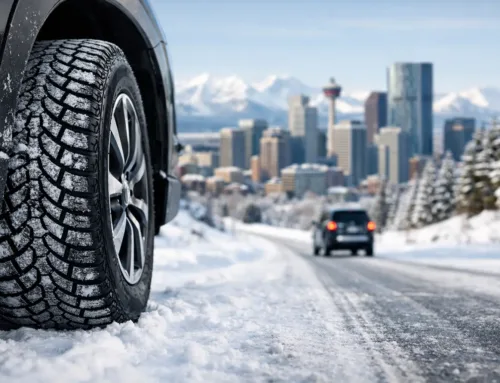
For owners in Calgary and surrounding areas, winter preparation deserves extra attention. Strong tires, a healthy battery, working heat and defrost, correct coolant protection, and reliable wipers are practical safety items, not optional extras.
Make Maintenance Affordable Enough to Keep Doing It
The most effective maintenance plan is one you can follow. Set aside a monthly vehicle fund for routine service and expected wear items. When a repair estimate is larger than expected, ask which work is urgent, which work prevents additional damage, and which items can be monitored. That conversation gives you control without sacrificing safety.
At Beyond Auto Performance, the goal is to help drivers keep dependable vehicles on the road with clear recommendations and repairs that make sense for the vehicle’s condition. The right plan is not always the most expensive one. It is the one that keeps your older car safe, reliable, and worth owning for the miles ahead.