A flashing check-engine light, a new knocking sound, or a sudden loss of power can make any driver think the worst. This engine repair cost guide is designed to replace guesswork with practical expectations, so you can understand what affects an estimate before approving work on your vehicle.
Engine repairs can range from a relatively straightforward sensor or gasket replacement to major internal work. The difference comes down to the actual failed component, the vehicle’s design, labor access, parts quality, and whether the problem caused damage elsewhere. A proper diagnosis matters because the same symptom can have several very different causes.
What Drives Engine Repair Costs?
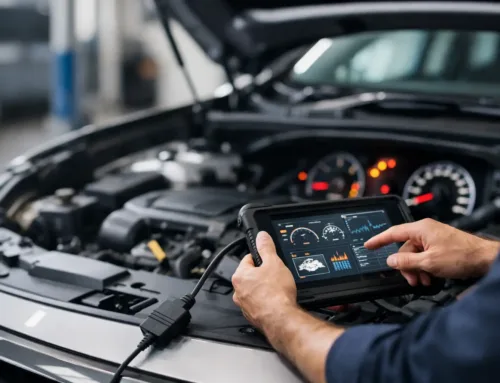
The first part of an engine estimate is diagnosis. A check-engine light does not automatically mean the engine itself has failed. It may point to an ignition misfire, fuel-delivery issue, vacuum leak, emissions component, timing concern, or electrical fault. Reading a trouble code is a starting point, not a final answer.
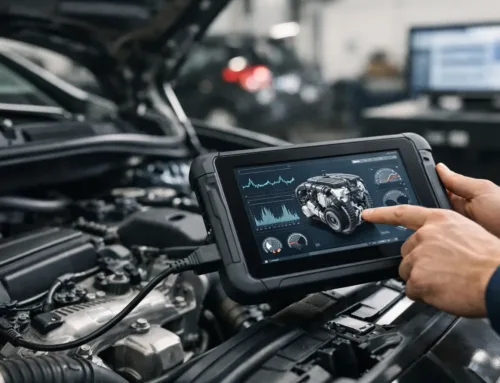
A technician may need to scan live data, inspect wiring and hoses, test compression, check fuel pressure, listen for internal noise, or perform a leak-down test. These steps take time, but they help prevent the costly mistake of replacing parts based on a code alone. Clear diagnostics should explain what failed, why it failed, and what work is recommended now versus what can be monitored.
Labor is often the largest variable. Replacing a component mounted at the top of an engine may take a fraction of the time required to access a part buried behind the intake, timing cover, or transmission. Some modern vehicles also require calibration, programming, or relearn procedures after repairs.
Parts selection also changes the total. Original-equipment, aftermarket, remanufactured, and used parts all have different prices and trade-offs. For a high-mileage daily driver, a quality aftermarket component may make financial sense. For critical internal engine components, timing systems, or vehicles you plan to keep for years, using trusted parts can be the better long-term value.
Engine Repair Cost Guide: Common Repair Ranges
The ranges below are broad planning figures, not a quote. Actual costs vary by make, model, engine size, parts availability, and the condition found during inspection. In Calgary, estimates are generally quoted in Canadian dollars, and taxes may be additional.
| Repair or service | Typical cost range | What can change the price | | — | —: | — | | Diagnostic testing | $150-$350 | Testing time, compression or leak-down testing, electrical faults | | Spark plugs and ignition coils | $250-$1,200 | Engine layout, plug access, number of coils, seized components | | Valve cover gasket | $350-$1,000 | Access, oil leaks affecting other components, gasket design | | Oil pan gasket or oil leak repair | $500-$2,000+ | Whether suspension or subframe parts must be removed | | Water pump replacement | $600-$2,000+ | Belt-driven versus timing-chain-driven design | | Timing belt service | $900-$2,200 | Water pump, tensioners, pulleys, and engine configuration | | Timing chain repair | $2,000-$5,500+ | Internal access, chain damage, guides, tensioners, related repairs | | Head gasket repair | $2,500-$6,500+ | Overheating damage, cylinder-head machining, engine removal | | Engine replacement | $5,000-$12,000+ | Used, remanufactured, or new engine choice and installation labor |
These figures show why an exact price over the phone is rarely responsible. A water pump on one vehicle may be accessible from the outside of the engine. On another, it may sit behind timing components and require substantial disassembly. The part itself may be similar in price, while the labor is not.
Small Problems Can Become Expensive Problems
Many major engine repairs begin with a smaller issue that was ignored too long. Low oil level, a coolant leak, a persistent misfire, or an overheating event can damage components that were otherwise serviceable.
For example, driving with a misfire can send unburned fuel into the exhaust and damage the catalytic converter. Continuing to drive while overheating can warp cylinder heads or compromise a head gasket. Delaying an oil-leak repair may allow oil to reach belts, electrical connectors, or exhaust components.
That does not mean every warning light requires panic. It means the right response is timely diagnosis. If the check-engine light is flashing, the engine is overheating, oil pressure is low, or you hear loud knocking, stop driving when it is safe to do so and arrange for an inspection or tow.
Repair, Replace, or Keep Driving?
The best decision is not always the cheapest repair on the estimate. It depends on the vehicle’s overall condition, your budget, how long you plan to keep it, and whether the repair restores dependable operation.
A $2,500 timing-chain repair can be sensible on a well-maintained vehicle with good tires, brakes, transmission performance, and no serious rust. The same repair may be harder to justify if the vehicle also needs major suspension work, has extensive corrosion, and is nearing the end of its useful life.
Engine replacement deserves an even closer comparison. A used engine may lower the initial bill, but its history can be limited and its warranty coverage may be shorter. A remanufactured engine typically costs more but may offer more consistency because it has been rebuilt to specified standards. A new engine is often the most expensive option and may not make economic sense on an older vehicle.
Before approving major work, ask for the full picture: the confirmed cause of failure, the repair options available, the parts being used, expected warranty coverage, and any related maintenance worth completing while access is open. Replacing a worn belt, hose, mount, or seal during major engine work can save labor later. On the other hand, a good shop should not pressure you into unrelated work that does not improve safety or reliability.
How to Read an Engine Repair Estimate
A useful estimate should be clear enough that you know what you are paying for. It should separate diagnosis, labor, parts, fluids, shop supplies, and taxes where applicable. If a repair has a range because further disassembly may reveal additional damage, that should be explained before the work begins.
Ask whether the recommendation addresses the root cause or only the symptom. Replacing a failed ignition coil may solve a current misfire, but oil leaking into the spark plug tube could be the reason the coil failed. Likewise, replacing a thermostat after an overheating event may be appropriate, but the cooling system should also be checked for leaks, fan operation, and signs of internal engine damage.
For fleet vehicles, downtime has a cost beyond the invoice. A repair that is completed correctly the first time can be more valuable than the lowest initial quote if it reduces repeat visits, missed deliveries, or lost work hours. The same thinking applies to families, rideshare drivers, and anyone who relies on a vehicle every day.
Lowering Engine Repair Costs Over Time
Maintenance will not prevent every mechanical failure, but it is the best way to reduce avoidable engine damage. Regular oil changes with the correct oil, coolant inspections, timely spark plug replacement, and attention to warning lights all protect the systems that keep an engine running.
Follow the manufacturer’s maintenance schedule, but adjust for real driving conditions. Frequent short trips, heavy loads, extreme temperatures, stop-and-go traffic, and commercial use can be harder on oil, cooling systems, and ignition components. A digital inspection during routine service can identify leaks, worn belts, or cooling concerns before they turn into a larger repair.
If you are facing an unexpected engine issue, start with a complete diagnosis and a written estimate rather than assumptions or internet guesses. At Beyond Auto Performance, the goal is to explain the condition clearly, discuss practical options, and help you make a repair decision that fits the vehicle and your plans for it.
A reliable engine does not require guessing or sales pressure. It requires accurate testing, honest communication, and addressing small concerns before they become the repair you never planned for.