That sharp metal-on-metal sound at a Calgary intersection is not a noise to turn up the radio over. If you are asking, “are brakes grinding?” the answer may be as simple as surface rust after a wet night, or it may mean your brake pads are worn through and damaging expensive components.
The difference matters. Brakes are a safety system, and a grinding noise can get worse quickly depending on what is causing it. A professional inspection gives you a clear answer before a relatively routine brake job turns into replacement rotors, calipers, or other repairs.
Are Brakes Grinding? Start With When It Happens
The timing and feel of the noise offer useful clues. Grinding that happens only on the first few stops after the vehicle has been parked outside can be caused by a light layer of rust on the rotors. This is common after rain, snow, or temperature swings. If the sound disappears after a few gentle stops and braking feels normal, it may not be an urgent repair.
Grinding that continues every time you apply the brakes is different. It often means the friction material on the brake pad has worn away, allowing the metal backing plate to contact the rotor. That contact can reduce braking performance and score the rotor surface. The longer it continues, the more likely the repair will involve more than pads.
Pay attention to whether the sound comes from the front or rear, whether it occurs while braking or while simply driving, and whether the steering wheel, pedal, or vehicle vibrates. Those details help narrow down the cause, but they do not replace an inspection.
Common Reasons Brakes Make a Grinding Noise
Worn brake pads are the most common reason for persistent grinding. Brake pads are designed to wear down over time. Many pads have a small wear indicator that creates a high-pitched squeal as a warning. If that warning is missed, the pad can wear down to metal.
Damaged or heavily worn rotors can also create a grinding sensation or noise. Rotors should provide a smooth surface for the brake pads to grip. Deep grooves, rust buildup, overheating, or uneven wear can prevent smooth contact. In some cases, rotors can be replaced with the pads. In others, a rotor may still be within specification and suitable for service. The right choice depends on its measured thickness, condition, and the manufacturer’s requirements.
A sticking caliper is another possibility. The caliper applies and releases the pads against the rotor. If it binds, one pad may stay in contact with the rotor and wear much faster than the other. You may notice pulling while braking, a hot wheel, a burning smell, or reduced fuel economy along with the noise.
Not every grinding sound is caused by worn pads. A small rock caught between the brake shield and rotor can scrape or grind, sometimes even when your foot is off the brake pedal. Corrosion, loose hardware, worn wheel bearings, and certain suspension issues can also create noises that are easy to mistake for brake trouble.
When You Should Stop Driving
A brief rust-related sound that clears immediately is one thing. Persistent grinding, however, deserves prompt attention. If you notice the following symptoms, avoid unnecessary driving and arrange an inspection as soon as possible:
- The brake pedal feels soft, spongy, unusually hard, or sinks farther than normal.
- The vehicle pulls strongly to one side when braking.
- A brake warning light or ABS light is on.
- You smell burning, see smoke near a wheel, or feel a wheel that is excessively hot.
- Braking distance has increased, the steering wheel shakes, or the vehicle vibrates heavily.
If braking power is clearly reduced, do not try to make it home or wait until the weekend. Pull over in a safe location and arrange towing. Continuing to drive with compromised brakes risks your safety and can turn a manageable repair into a much larger bill.
Why Waiting Can Cost More
Brake pads are wear items, so replacing them at the right time is expected maintenance. The goal is to replace them before the pad material is gone. Once metal contacts the rotor, it can cut deep grooves into the braking surface within a short period of driving.
That damage can require rotors in addition to pads. If heat has built up because of a seized caliper, the repair may also include caliper replacement, brake fluid service, or damaged hoses and hardware. Fleet vehicles and rideshare vehicles are especially vulnerable to accelerated brake wear because of frequent stop-and-go driving, heavier loads, and long operating hours.
There is a trade-off worth understanding: the least expensive repair is not always the best value if it leaves a related problem unresolved. Replacing pads without checking rotor thickness, caliper operation, slide pins, hardware, and tire condition may lead to early noise or uneven wear. A complete inspection helps ensure the repair addresses the reason the brakes wore out, not just the visible result.
What a Proper Brake Inspection Should Include
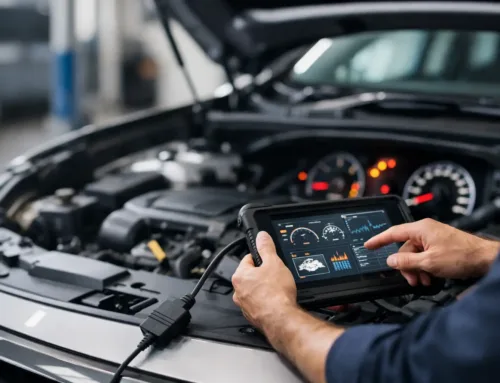
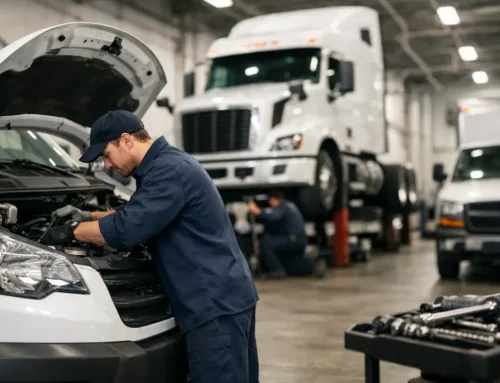
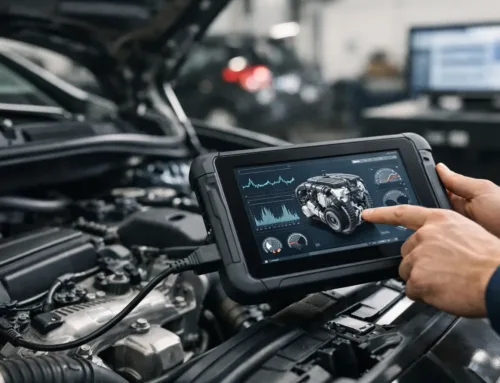
A brake inspection should be more than a quick look through the wheel spokes. The technician should measure pad thickness, inspect the rotor surfaces and thickness, and check for uneven wear from side to side. Calipers, brackets, slide pins, hoses, brake fluid condition, and parking brake components also need attention.
The vehicle should be road-tested when it is safe to do so, because some noises only appear under braking, at certain speeds, or after the brakes warm up. A technician may also inspect the wheel bearings, backing plates, and suspension components if the sound does not clearly originate from the pads and rotors.
At Beyond Auto Performance, the focus is on explaining what was found, what needs attention now, and what can be monitored. That matters when you are trying to balance safety, budget, and the remaining life of your vehicle. You should be able to see the condition of the components and understand the recommended repair without pressure or vague explanations.
Can You Prevent Brake Grinding?
You cannot prevent brake pads from wearing out, but you can usually prevent them from reaching the grinding stage. Follow the maintenance schedule for your vehicle, and have brakes checked during routine tire rotations, oil services, and seasonal inspections. This is especially helpful before winter driving, when road salt and changing conditions can speed up corrosion around brake components.
Respond to early warning signs. A squeal, pulsation, pulling sensation, or change in pedal feel is easier and often less expensive to diagnose before it becomes a persistent grind. Avoid riding the brakes on long descents when possible, and use lower gears where appropriate to reduce heat buildup.
Quality parts and correct installation also matter. The cheapest pads may not perform the same way as parts selected for your vehicle, driving habits, and load. For daily commuters, family vehicles, work trucks, and commercial fleets, dependable braking and predictable wear are usually worth more than a short-term savings that leads to repeat repairs.
A grinding brake sound is your vehicle asking for attention, not a problem to guess at. If the noise does not disappear after a few normal stops, have the system inspected soon. Clear answers now can protect your stopping power, your rotors, and your budget later.