A transmission problem rarely starts with a complete breakdown. More often, it starts with a shift that feels a little too hard on the way to work, a brief delay when selecting Drive, or a small red spot under the vehicle. This transmission warning signs guide explains what those changes can mean, when you can safely monitor them, and when it is time to book a professional inspection.
For Calgary drivers, waiting can be especially expensive. Stop-and-go traffic, cold starts, towing, steep parking ramps, and long highway miles all put added demand on a transmission. Catching a concern early can sometimes mean a fluid service, software update, sensor repair, or minor seal replacement instead of major internal transmission work.
Transmission Warning Signs You Should Not Ignore
Delayed engagement into Drive or Reverse
When you move the shifter into Drive or Reverse, the vehicle should engage smoothly within a moment. If the engine revs but the vehicle hesitates before moving, the transmission may be low on fluid, losing hydraulic pressure, or developing internal wear.
A single slight hesitation on a very cold morning may not mean immediate failure. But a delay that becomes more frequent, lasts several seconds, or is paired with a clunk deserves attention. Do not compensate by pressing the accelerator harder. That can make the engagement harsher and add stress to already worn components.
Rough, slipping, or inconsistent shifts
A healthy automatic transmission changes gears predictably. You may feel a normal shift, especially in some trucks and performance-oriented vehicles, but you should not feel repeated banging, shuddering, flaring engine RPM, or a sensation that the vehicle cannot decide which gear it wants.
Slipping is particularly serious. It can feel like the engine speeds up without matching acceleration, often when climbing a hill, merging, or carrying a load. Continued driving while a transmission slips creates heat, and heat can quickly damage clutch material and transmission fluid.
Shuddering is slightly different. It may feel like driving over a rumble strip during light acceleration or while the torque converter is locking up. Sometimes the cause is transmission-related, but it can also come from an engine misfire, worn mounts, axle issues, or driveline components. Proper diagnostics matter because replacing parts based on a guess wastes time and money.
Warning lights and transmission messages
A check engine light can be tied to far more than the engine. Modern vehicles monitor shift timing, pressure control, solenoids, temperature, speed sensors, and communication between control modules. A warning light, “transmission hot” message, or limp-mode condition should be checked promptly, even if the vehicle still feels mostly normal.
Limp mode is a protective strategy. The vehicle may limit power, hold one gear, or shift differently to reduce the chance of severe damage. It is not a repair. If your vehicle enters limp mode, avoid towing, aggressive acceleration, and unnecessary driving until the cause has been diagnosed.
Fluid leaks or a burning smell
Transmission fluid is essential for lubrication, cooling, and hydraulic operation. Depending on the vehicle, fresh fluid may be red, pink, amber, blue, or another manufacturer-specific color. The color alone is not a reliable diagnosis, but a new puddle under the vehicle should never be ignored.
A burning odor can point to overheated fluid or internal clutch wear. Fluid that is dark, smells burnt, or contains visible metallic material requires more than a quick top-up. The right next step depends on the transmission design, fluid condition, vehicle history, and the source of the issue.
Unusual noises in gear
Whining, humming, buzzing, grinding, or clunking noises can change with vehicle speed, engine speed, or gear selection. A noise that appears only in Reverse, while shifting, or under load can help narrow down the cause. But sound alone cannot confirm whether the problem is in the transmission, transfer case, differential, wheel bearing, or another driveline part.
Pay attention to when the noise happens and whether it changes once the vehicle warms up. That information gives a technician a better starting point and can shorten the diagnostic process.
What Makes Transmission Problems Worse
The biggest risk is continuing to drive a vehicle that is clearly slipping, overheating, or losing fluid. A transmission can sometimes tolerate a minor issue for a limited time, but damage often accelerates once heat and friction increase.
Towing beyond a vehicle’s rating, hauling heavy loads, repeated hard launches, and driving with low fluid can all shorten transmission life. So can skipping the maintenance schedule. Not every transmission needs the same service interval, and not every vehicle manufacturer recommends the same procedure. Some use conventional automatic fluid, while others use specialized fluid, dual-clutch fluid, or continuously variable transmission fluid.
That is why a universal “flush every so many miles” rule is not a good maintenance plan. On a well-maintained vehicle, a properly specified fluid service can help protect the transmission. On a high-mileage vehicle with severe symptoms or neglected service history, the correct recommendation may be different. A trusted shop should explain the condition of the fluid, the risks, and the options before recommending work.
What to Do When You Notice a Warning Sign
Start by taking note of the symptom. Does it happen cold, hot, under acceleration, while braking, in Reverse, or only at highway speeds? Check for warning messages and look under the vehicle for fresh leaks if it is safe to do so.
If the vehicle is slipping badly, refusing to engage, overheating, making grinding noises, or showing a flashing warning light, do not try to drive through it. Arrange towing instead. Driving a short distance may feel convenient, but it can turn a repairable concern into a replacement-level problem.
For a milder symptom, schedule an inspection before your next long trip, towing job, or busy work week. This is especially practical for fleet vehicles, rideshare drivers, and families who cannot afford unexpected downtime.
How a Proper Transmission Diagnosis Works
A reliable diagnosis should be more than scanning for a code and quoting a replacement transmission. Trouble codes are useful clues, but they do not automatically identify the failed part. A code related to a shift solenoid, for example, may be caused by wiring, fluid pressure, a valve body issue, or the solenoid itself.
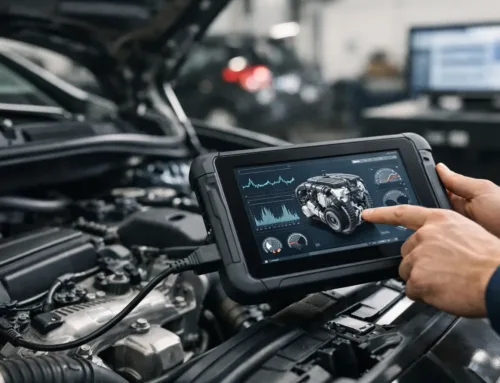
A complete inspection often includes a road test when safe, a scan for fault codes and live data, a check for leaks, a fluid-condition assessment, and an inspection of related mounts and driveline components. On some vehicles, technicians may also verify transmission temperature, electrical signals, or hydraulic pressure.
This approach matters because transmission symptoms overlap with other problems. An engine issue can mimic a shift concern. A failing CV axle can feel like a transmission shudder. A worn engine mount can create a harsh clunk during engagement. Clear diagnostics protect you from paying for the wrong repair.
Maintenance That Helps Protect Your Transmission
The best protection is following the maintenance plan for your specific vehicle and using the exact fluid it requires. Transmission fluid is not interchangeable, even when products look similar on a shelf. The wrong fluid can cause poor shift quality, internal wear, or warranty concerns.
It also helps to address cooling-system problems quickly. Many automatic transmissions rely on a cooler built into or connected to the radiator system. If the engine is overheating, the transmission may be running hotter than it should as well.
For manual transmissions, clutch concerns deserve equal attention. Difficulty getting into gear, clutch pedal changes, gear grinding, or a clutch that slips under acceleration may not be an automatic transmission issue, but they can still leave you stranded if ignored.
Beyond Auto Performance can inspect transmission concerns with the same practical goal we bring to routine maintenance: identify the real issue, explain the repair clearly, and help keep your vehicle dependable for the road ahead.
A strange shift is not always a failing transmission, but it is always useful information. Listening to your vehicle early gives you more repair options, more control over cost, and a better chance of staying safely on schedule.