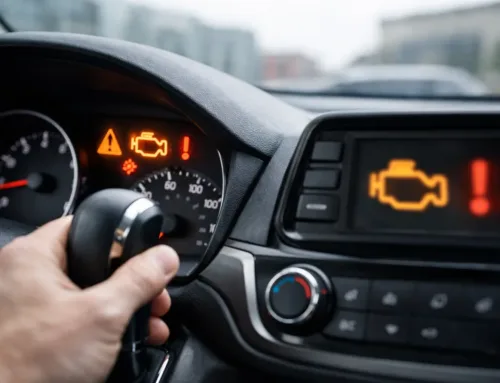
A warning light comes on during your commute. Your vehicle still starts, so it is tempting to keep driving and deal with it later. But that light may be the first sign of a small issue that can become a no-start condition, poor fuel economy, or a much larger repair. Professional auto diagnostics replace guesswork with a clear plan for fixing the real problem.
At Beyond Auto Performance, we believe drivers deserve more than a code printout and a list of expensive recommendations. A proper diagnostic process explains what the vehicle is reporting, why it is happening, what needs attention now, and what can be monitored. That is how you protect your budget and keep your vehicle reliable.
What Auto Diagnostics Actually Involve
Modern vehicles use dozens of control modules, sensors, wiring circuits, and computer systems to manage the engine, transmission, brakes, steering, safety systems, and comfort features. When something operates outside its expected range, the vehicle may store a diagnostic trouble code and turn on a warning light.
That code is a starting point, not a repair instruction. For example, a code related to an oxygen sensor does not automatically mean the sensor has failed. The underlying cause could be damaged wiring, an exhaust leak, a fuel delivery issue, an intake leak, or an engine condition affecting the sensor reading. Replacing parts based on a code alone can waste time and money.
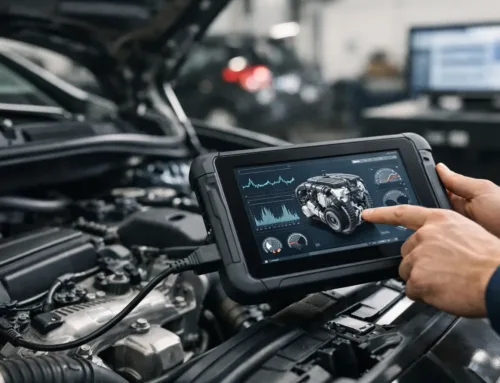
A technician uses professional scan equipment to read codes and live data, then combines that information with hands-on testing. Depending on the concern, that may include a visual inspection, battery and charging-system test, circuit testing, fluid checks, pressure testing, road testing, or checking manufacturer service information. The goal is to identify the cause, not simply clear the symptom.
When Your Vehicle Needs Diagnostics
The check engine light gets the most attention, but it is not the only reason to schedule an appointment. Some problems do not trigger a warning light right away, especially intermittent issues. If your vehicle is acting differently than normal, it is worth having it checked before the problem leaves you stranded.
Pay attention to hard starting, rough idle, stalling, reduced power, poor acceleration, unusual fuel use, overheating, shifting delays, or new vibrations. Electrical concerns also deserve proper testing. A weak battery, corroded connection, failing alternator, or parasitic draw can all look similar from the driver’s seat but require different repairs.
Brake, ABS, airbag, traction-control, and tire-pressure warnings should not be ignored. These systems are designed to help keep you in control when road conditions are poor. Calgary’s cold starts, temperature swings, and winter driving can put extra demand on batteries, sensors, tires, and charging systems, so small changes in how your vehicle starts or drives are worth addressing early.
Flashing vs. Steady Check Engine Lights
A steady check engine light usually means the vehicle has detected a fault that should be diagnosed soon. You may be able to drive it carefully for a short period, depending on how the vehicle is running, but delaying service can allow the issue to worsen.
A flashing check engine light is more urgent. It can indicate an active misfire that may damage the catalytic converter. If the engine is shaking, losing power, or the light is flashing, reduce driving and arrange for a professional inspection as soon as possible. Continuing to operate the vehicle under those conditions can turn a relatively straightforward ignition or fuel repair into a much more expensive exhaust-system repair.
Why a Code Reader Is Not a Complete Diagnosis
Affordable code readers can be useful for checking basic information, especially for an owner who wants to know why a check engine light appeared. They cannot reliably confirm the failed component, assess every vehicle module, or replace trained testing and experience.
Many consumer readers show generic powertrain codes but offer limited live data and little context. They may not access manufacturer-specific codes in body, chassis, transmission, or advanced driver-assistance systems. Even when the code description sounds clear, it may point to a circuit or performance range rather than a bad part.
Clearing a code can also make diagnosis harder. It erases valuable freeze-frame information showing operating conditions when the fault occurred, and it may reset emissions-readiness monitors. If you have an upcoming inspection or need to confirm a repair, those monitors must complete their self-tests again. Unless you are instructed otherwise, it is usually better to leave stored codes in place until the vehicle is inspected.
A Clear Diagnostic Process Saves Money
The most affordable repair is not always the cheapest first repair. It is the repair that correctly solves the problem without replacing good parts along the way. That is why a shop may recommend diagnostic time before quoting a final repair. Complex symptoms require evidence, and evidence takes testing.
A transparent process should start with your description of the concern. Details matter: whether the problem happens only when cold, after refueling, at highway speed, in wet weather, or while turning can point the technician in the right direction. Let the service advisor know when it began, which warning lights are on, what work was recently performed, and whether the vehicle has been to another shop for the same issue.
After the initial assessment, you should receive a straightforward explanation of the findings and recommended next steps. If several repairs are needed, a good shop helps you prioritize them. A safety issue, active leak, overheating condition, or no-start risk should come before a non-urgent comfort concern. At the same time, some maintenance items are best handled while related components are already accessible, so there can be value in completing work together. The right choice depends on the condition of the vehicle, your driving needs, and your budget.
Common Problems Diagnostics Can Find
Auto diagnostics can address much more than engine warning lights. Modern testing helps trace faults across the vehicle, including issues such as:
- Engine misfires, fuel-system faults, air leaks, and sensor concerns
- Transmission shifting problems and communication faults
- Battery drains, alternator failures, starting issues, and wiring damage
- ABS, traction-control, airbag, and tire-pressure warning lights
- Heating and air-conditioning performance issues
- Suspension, steering, and wheel-speed sensor faults
Some faults are straightforward and confirmed quickly. Others are intermittent, meaning they appear only under certain temperatures, loads, or driving conditions. An intermittent concern may require extended testing, a road test, or keeping the vehicle long enough to reproduce the symptom. That can feel inconvenient, but it is more responsible than guessing at a repair.
What to Do Before Your Appointment
You do not need to diagnose the vehicle yourself, but a few notes can help speed up the process. Take a photo of any warning light or message before it disappears. Notice whether the concern occurs at startup, while braking, during acceleration, or after the vehicle has been parked. If you hear a noise, describe it in practical terms and note where it seems to come from.
Avoid adding aftermarket fluids, disconnecting the battery, or repeatedly clearing codes in an attempt to make the light go away. Those actions can mask evidence. If you recently installed a remote starter, performance part, accessory, or battery, mention it when booking. It may not be related, but it gives the technician useful context.
For fleet vehicles, fast and accurate diagnosis is especially valuable. Unexpected downtime affects schedules, drivers, customers, and operating costs. Keeping records of repeat concerns, mileage, recent maintenance, and driver reports helps identify patterns and supports better maintenance planning.
Do Not Wait for a Breakdown
A vehicle rarely chooses a convenient time to fail. The best time to investigate a warning light, rough running condition, or electrical issue is while the vehicle can still be tested safely and the problem is easier to isolate. Early diagnosis can prevent damage, improve reliability, and give you time to make a repair decision without pressure.
If your car is telling you something has changed, listen to it. A clear diagnostic answer is the first step toward getting back on the road with confidence.