That little amber engine icon has a way of showing up at the worst possible time – on the way to work, before a weekend trip, or right when the budget is already tight. And for most drivers, the first question is the same: what is the check engine light diagnosis cost, and what are you actually paying for?
The honest answer is that it depends on the vehicle, the symptoms, and how much testing is needed beyond a basic code scan. Some issues are straightforward. Others take real time, proper equipment, and an experienced technician to trace correctly. If you want to avoid paying twice, it helps to understand what a diagnosis fee covers and why the cheapest option is not always the best value.
What the check engine light diagnosis cost usually includes
A lot of people assume diagnosing a check engine light means plugging in a scanner, reading one code, and calling it done. That is only part of the process. A fault code points a technician in a direction, but it usually does not confirm the failed part on its own.
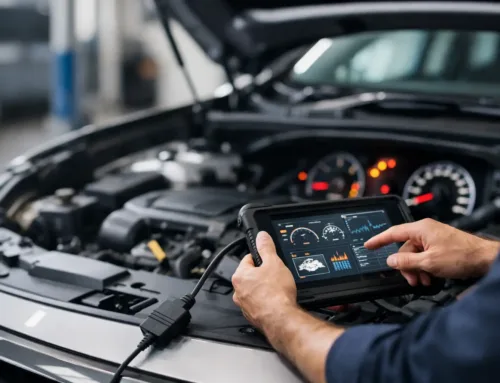
A proper diagnosis often starts with scanning the system for stored and pending codes, checking freeze frame data, and looking at live sensor readings. From there, a technician may inspect wiring, test sensors, verify fuel or ignition performance, check for vacuum leaks, or road test the vehicle to reproduce the issue. If the light is tied to something intermittent, diagnosis can take longer because the problem may not be active when the car first arrives.
That is why check engine light diagnosis cost can vary so much from shop to shop. You are not just paying for a scan tool. You are paying for the process of finding the cause instead of guessing.
How much does check engine light diagnosis cost?
In many cases, a professional diagnostic fee falls somewhere around one labor hour, though actual pricing varies by market and vehicle type. Some shops charge a flat diagnostic rate, while others bill based on testing time. In a market like Calgary, labor rates, shop equipment, and technician experience all influence the final number.
If a shop advertises a very low-cost or free code scan, that can still be useful as a starting point. But a code scan and a diagnosis are not the same thing. A scan tells you what system the vehicle is unhappy with. Diagnosis tells you why.
For example, a code related to an oxygen sensor does not automatically mean the oxygen sensor is bad. The real cause could be wiring damage, an exhaust leak, a fuel trim issue, or another engine performance problem affecting sensor readings. Replacing parts based only on a code is one of the fastest ways to spend more than necessary.
Why diagnosis fees vary from one vehicle to another
Not every check engine light takes the same amount of effort to track down. On some vehicles, the fault is common, easy to access, and simple to confirm. On others, especially newer models with multiple integrated control systems, the same warning light can involve more complex testing.
Vehicle make and model matter. European vehicles, turbocharged engines, hybrids, diesel applications, and some fleet vehicles may require more advanced tooling or more detailed test procedures. Even among mainstream makes, some systems are easier to inspect than others.
The condition of the vehicle matters too. If the engine has multiple codes, drivability symptoms, previous repair attempts, or aftermarket modifications, diagnosis can take longer. The same goes for intermittent issues. A steady check engine light with a known evap leak is one thing. A sporadic misfire that only happens under load on cold mornings is another.
The difference between a code scan and real testing
This is where many drivers get frustrated. They pay one place for a quick scan, buy the recommended part, install it, and the light comes right back. Then they end up paying again for proper testing.
A code is a clue, not a final answer. Real diagnosis means confirming the failure before recommending repairs. That might include smoke testing for evap leaks, checking fuel pressure, measuring voltage drop in a circuit, monitoring misfire counters, or comparing sensor values against known-good data.
Good shops do this because it protects the customer. It keeps you from replacing a purge valve when the real issue is a cracked hose. It keeps you from installing spark plugs when the actual cause is a failing ignition coil, injector problem, or compression issue. Honest diagnosis saves money by reducing guesswork.
Common problems behind a check engine light
Some causes are minor and some are not. A loose gas cap can trigger an evap code. So can a damaged cap seal, a leaking line, or a faulty vent valve. Misfire codes may point to spark plugs, coils, fuel delivery issues, vacuum leaks, or internal engine problems.
You may also see check engine lights caused by failing oxygen sensors, catalytic converter efficiency issues, thermostat faults, mass airflow sensor problems, intake leaks, or transmission-related faults. On commercial vehicles and high-mileage daily drivers, wear-and-tear issues tend to stack up, which can make diagnosis more involved.
That is why a one-size-fits-all price is hard to promise up front. The light is the symptom. The actual fault determines the work needed to find it.
When a low check engine light diagnosis cost is not a bargain
Every driver wants to save money, and that makes sense. But there is a difference between affordable service and cheap guessing. If a shop charges very little to diagnose a warning light but quickly recommends parts without proof, the low upfront cost can turn into a bigger final bill.
The better question is not just what the diagnosis costs. It is what value you get from that cost. Are you getting a technician who explains the findings clearly? Are they testing before recommending parts? Do they separate urgent repairs from items that can wait? Do they tell you if the light is safe to drive with, or if the vehicle should be parked immediately?
That kind of communication matters. It helps you make an informed decision instead of feeling cornered into repairs you do not fully understand.
What to expect from a trustworthy shop
A solid diagnostic experience should feel clear from the start. The shop should ask about symptoms, when the light came on, whether the vehicle is running differently, and if any recent work has been done. That background can speed up testing and prevent missed details.
After the inspection, you should get an explanation in plain language. Not just the code number, but what the shop tested, what they found, and what repair is recommended. If more than one issue is present, the next steps should be prioritized.
This is especially important for families, rideshare drivers, and fleet operators who need their vehicles back on the road without unnecessary downtime. A dependable shop understands that cost matters, but so does accuracy. At Beyond Auto Performance, that is the whole point of diagnostics – find the issue, explain it honestly, and repair what is needed without adding confusion.
Can you keep driving with the light on?
Sometimes yes, sometimes no. If the check engine light is steady and the vehicle feels normal, the issue may not require immediate towing, but it should still be checked soon. Waiting too long can turn a smaller repair into a more expensive one, especially if fuel trim, misfire, or emissions issues are involved.
If the light is flashing, that is different. A flashing check engine light often means an active misfire severe enough to damage the catalytic converter. In that situation, continued driving can raise the repair cost fast.
If you notice rough running, lack of power, stalling, fuel smell, smoke, overheating, or transmission shifting problems along with the light, it is smart to stop driving and have the vehicle inspected as soon as possible.
How to keep diagnosis and repair costs under control
The best way to reduce overall cost is to deal with warning lights early. Small faults tend to be cheaper to diagnose and repair before they create side effects. Keeping up with maintenance helps too. Worn spark plugs, neglected filters, overdue fluid service, and ignored drivability symptoms can all lead to larger issues later.
It also helps to give the shop good information. If the light came on after fueling up, during highway driving, only on cold starts, or after another repair, say so. Details like that can shorten testing time.
And if budget is a concern, ask for priorities. A good shop will tell you what needs immediate attention, what can be monitored, and where the repair money will do the most good first.
A check engine light is frustrating, but it does not have to be a mystery or a sales pitch. The right diagnosis gives you a clear answer, a repair plan that makes sense, and a better shot at fixing the problem once instead of paying for the same issue twice. When your vehicle tells you something is off, the smartest move is to get a real answer before a small warning turns into a bigger repair.