A dealership vs independent mechanic decision usually comes down to one question: who can fix your vehicle correctly, explain the work clearly, and respect your budget? The right answer is not always the same shop. It depends on your vehicle’s age, the repair you need, your warranty coverage, and how much value you place on a familiar service relationship.
For Calgary drivers balancing busy commutes, family schedules, fleet deadlines, and winter driving, choosing a repair shop should not feel like a gamble. Here is a practical look at where each option makes sense.
Dealership vs Independent Mechanic: The Real Differences
A dealership service department is connected to a specific manufacturer. Its technicians work primarily on one brand or brand group, use manufacturer service information, and have direct access to factory campaigns, recall work, and certain proprietary parts or programming procedures.
An independent mechanic works across many makes and models. A quality independent shop invests in modern diagnostic equipment, service information, training, and experienced technicians, but it is not tied to selling one manufacturer’s vehicles or meeting that manufacturer’s sales targets.
Neither model automatically guarantees better work. A dealership can be the right place for a recall or a warranty concern. An independent shop can be the better fit for routine maintenance, repairs on an older vehicle, second opinions, and long-term care at a more manageable cost. The quality of the individual shop, technician, inspection process, and communication matters more than the sign above the door.
Cost: Why Independent Shops Often Have an Advantage
Labor rates are often the first difference drivers notice. Dealerships generally carry larger facilities, manufacturer-specific systems, and a branded retail operation. Those overhead costs can lead to higher hourly labor rates and, in some cases, higher parts pricing.
Independent shops can often offer more competitive labor rates while still using quality replacement parts and trained technicians. That does not mean the lowest estimate is always the best estimate. A repair quote should identify the concern, the recommended repair, the parts being used, labor, taxes, and any additional work that may be needed once the vehicle is inspected.
The better value is the repair that solves the actual problem the first time. If a shop quotes a lower price without diagnosing the issue properly, the savings can disappear quickly. Ask for the reason behind the recommendation, not just the total at the bottom of the invoice.
For larger repairs, financing options can also matter. A dependable shop should help you understand what needs immediate attention for safety and reliability, what can be planned for later, and what payment options may be available.
Warranty Work, Recalls, and Factory Updates
This is one area where a dealership is frequently the clear choice. Manufacturer recalls, warranty repairs, and some factory software updates are normally handled through the dealership network. If your vehicle has an open recall or a repair covered by the manufacturer warranty, contact the dealer first.
For regular oil changes, brakes, tires, alignments, suspension repairs, air conditioning service, and many other maintenance needs, you do not necessarily need to return to the dealership. Keeping detailed service records is smart no matter where the work is performed. Save invoices that show the date, mileage, services completed, and parts used.
There are exceptions. Some warranty claims involve specific procedures or documentation requirements, and a newer vehicle may need dealer programming after certain module replacements. A good independent shop will tell you when dealer involvement is the sensible next step rather than trying to force a repair outside its proper scope.
Diagnostics: Equipment Matters, but Process Matters More
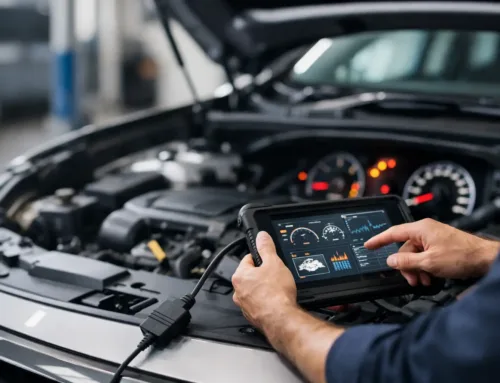
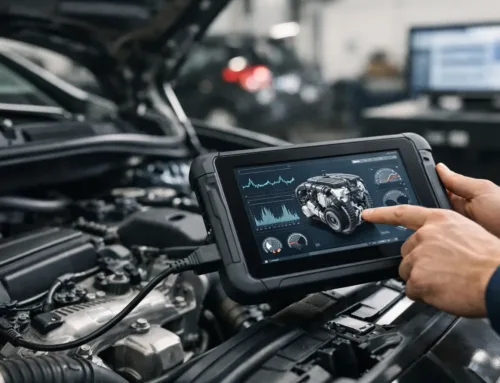
Modern vehicles are computers on wheels. Warning lights, intermittent no-starts, transmission concerns, electrical faults, and driver-assistance system issues require more than plugging in a code reader.
Dealerships have factory scan tools and direct access to the latest manufacturer technical information. That can be especially useful for brand-new models, unusual software issues, and complex manufacturer-specific faults.
A well-equipped independent shop can diagnose most everyday and complex concerns using professional aftermarket scan tools, wiring diagrams, test equipment, and practical experience across different vehicles. The key is a disciplined diagnostic process. A trouble code is a clue, not an automatic parts list.
Look for a shop that explains what it found, what tests were performed, and why a component is being recommended. Digital inspections with photos can be helpful because they let you see worn tires, leaking components, damaged suspension parts, or brake measurements without relying only on a verbal description.
Parts Choices and Repair Quality
Dealerships commonly use original equipment manufacturer parts, often called OEM parts. These parts are designed for your specific vehicle and can be a good choice when fit, calibration, finish, or manufacturer requirements are critical.
Independent shops may offer OEM parts, aftermarket parts, or remanufactured options, depending on the repair. A quality aftermarket part can provide excellent performance and value, particularly for maintenance items such as brakes, filters, batteries, and suspension components. In other situations, OEM is the smarter call.
There is no single best answer for every repair. A family vehicle you plan to keep for years may deserve a premium component. A work vehicle may need the best balance of uptime, warranty, and cost. An older vehicle nearing the end of its useful life may need a safe, practical repair rather than the most expensive available option.
What matters is that the shop is upfront about the options. You should know whether the estimate includes OEM, aftermarket, or remanufactured parts and what warranty applies to both parts and labor.
Convenience and the Service Experience
Dealerships can offer amenities such as loaner vehicles, manufacturer shuttles, and large waiting areas. They may also have extended hours or a large inventory of brand-specific parts. For some drivers, that convenience is worth the additional cost.
Independent shops often win on personal service. You may speak with the same advisor and technicians over time, build a maintenance history in one place, and receive recommendations based on how you actually use your vehicle. That relationship is valuable when a repair can wait, when you need a realistic maintenance plan, or when you want a second opinion before approving major work.
This can be especially important for fleets and high-mileage drivers. Downtime costs money. A shop that understands your maintenance schedule, tracks common wear items, and communicates early can help prevent a small issue from becoming a missed workday or roadside breakdown.
When a Dealership Is the Better Choice
Choose a dealership when your vehicle has an active recall, a confirmed warranty concern, or a manufacturer campaign that needs to be completed. It can also be the right place for very new vehicles with highly specialized software issues or repairs requiring factory-only programming.
If your vehicle is a rare model or has a problem that multiple shops have not been able to diagnose, a dealer may offer useful brand-specific experience. Even then, ask for a clear explanation of the diagnostic findings and repair plan before authorizing major work.
When an Independent Shop Is the Better Choice
An independent shop is often a strong choice for routine maintenance, brake service, tires, wheel alignments, suspension work, engine repairs, transmission concerns, electrical diagnostics, and general repair on vehicles outside their factory warranty period.
It is also a smart option when you want transparent pricing and a conversation about repair priorities. At Beyond Auto Performance, that means looking at the full condition of the vehicle, explaining what affects safety and reliability now, and helping you plan the rest without pressure.
Honda and Acura owners may also benefit from an independent shop with real experience in those platforms. Familiarity with common maintenance needs and recurring issues can reduce guesswork while still giving you a practical range of repair options.
Questions to Ask Before You Book
Before choosing either type of shop, ask whether the repair is covered by warranty or recall, what diagnostic steps will be taken, which parts will be installed, and what warranty comes with the work. Ask whether the estimate may change and how the shop will contact you before performing additional repairs.
Pay attention to how the answers are given. Clear explanations, documented inspections, and a willingness to discuss options are signs of a shop that values your trust. Pressure tactics, vague estimates, or recommendations without supporting information deserve a second look.
The best repair shop is not automatically the dealership or automatically the lowest-priced independent. It is the one that has the right capability for your vehicle, communicates honestly, stands behind its work, and helps keep your vehicle safe and dependable for the road ahead.