A vehicle with 150,000 miles is not automatically near the end of its life. Many cars and trucks run reliably well past 200,000 miles when small problems are found early and routine service stays consistent. Knowing how to maintain high mileage cars is less about chasing every possible repair and more about protecting the systems that keep the vehicle safe, efficient, and dependable.
For a daily commuter, family SUV, work truck, or fleet vehicle, the goal is simple: avoid the expensive breakdown that starts as a minor leak, noise, warning light, or missed service. A maintenance-first approach gives you more control over repair costs and more confidence every time you turn the key.
How to Maintain High Mileage Cars Without Overspending
High mileage maintenance should be based on the vehicle’s condition, service history, and how it is used. A car that spends most of its time on the highway may wear differently than one making short trips, idling for work, towing, or handling stop-and-go traffic every day.
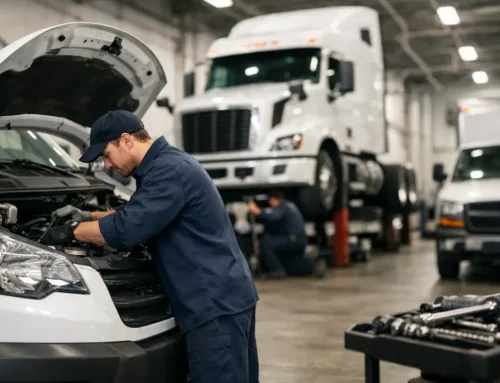
Start with a clear baseline inspection if you have recently bought the vehicle or do not have complete records. A good inspection should look beyond the oil level. It should assess fluid condition, brakes, tires, suspension, battery health, belts, hoses, leaks, warning lights, and visible engine or transmission concerns. This makes it easier to separate urgent safety repairs from maintenance that can be planned for later.
Do not assume every recommendation needs to happen at once. A trustworthy repair shop should explain what is unsafe, what could cause damage if delayed, and what can be monitored. That clarity matters when you are keeping an older vehicle on the road without putting unnecessary money into it.
Stay ahead of fluid service
Fluids are the working life of a high mileage vehicle. Engine oil protects moving parts from heat and friction, coolant controls engine temperature, brake fluid supports braking performance, and transmission fluid helps protect one of the costliest components in the vehicle.
Follow the manufacturer’s recommended oil interval, but adjust for severe driving when necessary. Frequent short trips, heavy loads, extensive idling, very hot or cold weather, and dusty conditions can justify more frequent oil changes. Check the oil level between services, especially if the engine has begun using oil. Running low even once can accelerate wear.
Transmission service deserves a careful, vehicle-specific approach. Some transmissions have serviceable fluid and filters, while others have different procedures or factory recommendations. If shifting is delayed, harsh, slipping, or inconsistent, have it diagnosed before agreeing to a flush or additive. The right service can extend transmission life; the wrong approach for an existing problem can waste money and delay the real repair.
Coolant, brake fluid, power steering fluid where applicable, and differential or transfer case fluids should not be ignored just because the vehicle still drives normally. Over time, fluids collect moisture, lose protective qualities, or become contaminated. Preventive service is usually far more affordable than a damaged cooling system, brake component, or drivetrain.
Watch for Small Changes in the Way It Drives
Older vehicles rarely fail without giving some warning. Drivers who know their vehicle often notice a change before a dashboard light appears. Pay attention to new sounds, smells, vibrations, steering changes, and changes in fuel economy.
A clicking sound while turning may point to a worn axle joint. A clunk over bumps can be related to suspension or steering components. Squealing brakes, a soft brake pedal, or a pull while braking needs prompt attention. A sweet smell may indicate a coolant leak, while a burning smell can come from oil leaks reaching hot engine parts, worn brakes, or electrical issues.
Do not wait for a noise to become constant. Early diagnosis often means replacing a single worn component instead of repairing the damage it causes to surrounding parts. It also prevents the frustration of an unexpected breakdown during a workday, school run, or long trip.
Treat warning lights as diagnostic information
A check engine light is not a diagnosis. It is a signal that the vehicle’s computer has detected a fault. Sometimes the cause is simple, such as an emissions-related sensor or loose fuel cap. Other times it can involve ignition misfires, fuel delivery, air intake issues, or a catalytic converter concern.
If the check engine light is flashing, reduce driving and arrange service as soon as possible. A flashing light often means an active misfire that can damage the catalytic converter. Likewise, never continue driving with an overheating warning, low oil pressure light, or brake warning light unless you are moving only far enough to get to a safe place.
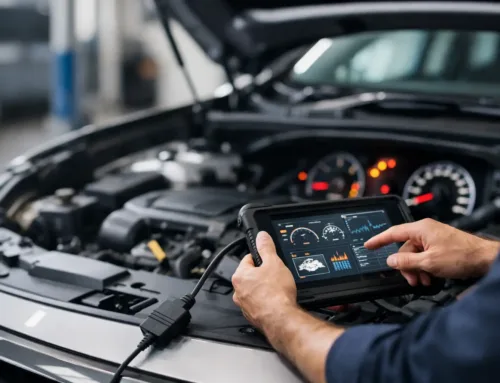
Accurate diagnostics matter on high mileage cars. Replacing parts based on a code alone can become expensive quickly. A proper test confirms the cause before repairs are recommended.
Protect the Systems That Affect Safety and Tire Wear
A reliable high mileage vehicle needs more than a healthy engine. Brakes, tires, steering, and suspension determine how safely it stops and handles, particularly in rain, snow, rough roads, or emergency situations.
Have the brakes inspected regularly for pad thickness, rotor condition, caliper movement, brake hoses, and fluid condition. Waiting until pads grind into the rotors turns a routine brake job into a larger repair. If you feel vibration through the pedal or steering wheel while braking, have it checked rather than assuming it will go away.
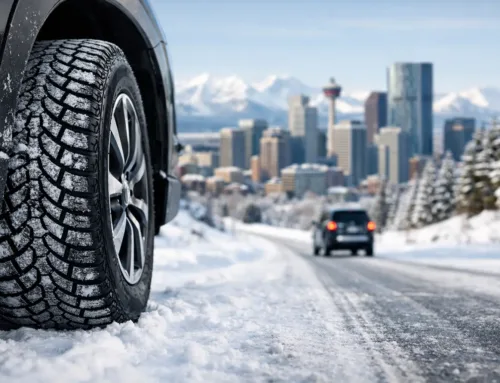
Tires should be rotated according to the tire manufacturer’s guidance and kept at the recommended pressure. Uneven wear can reveal an alignment problem, worn suspension parts, or a tire issue. An alignment is not just about keeping the steering wheel straight. It helps maximize tire life and can improve stability.
Suspension components such as shocks, struts, ball joints, control arm bushings, and tie rods wear gradually. Because the change is slow, many drivers do not realize how much handling has declined until a part becomes loose or fails inspection. If the vehicle bounces excessively, wanders on the road, dips while braking, or makes clunking noises, schedule an inspection.
Build a Practical High Mileage Service Routine
The best maintenance plan is one you can follow. Keep a record of every oil change, repair, inspection, tire purchase, and fluid service. Receipts and digital records make it easier to spot patterns, prove maintenance history when selling the vehicle, and avoid repeating work that was already done.
Prioritize these four areas at every service visit:
- Engine oil level and condition, plus any visible leaks or oil consumption.
- Brake condition, tire tread depth, tire pressure, and uneven wear.
- Coolant level, battery health, belts, hoses, and signs of overheating.
- New noises, vibrations, warning lights, starting issues, or changes in shifting.
Ask for straightforward explanations and estimates before approving repairs. For budget-conscious owners, it is reasonable to make a phased plan. Address safety issues and repairs that could cause major damage first, then schedule lower-priority work around your budget. Financing may also make sense for a necessary repair that protects the vehicle from a far more costly failure.
Use quality parts where they matter most
The cheapest part is not always the best value. This is especially true for brakes, suspension components, ignition parts, cooling system components, and sensors. Low-quality parts can wear quickly, create fitment issues, or cause the same warning light to return.
That does not mean every repair requires the most expensive option. The right choice depends on the vehicle, how long you plan to keep it, and its daily workload. A quality aftermarket part can be an excellent value when it meets the proper specifications. The key is understanding the options rather than being pushed into a one-size-fits-all repair.
Know When Repair Is Still Worth It
High mileage alone is not a reason to replace a vehicle. Consider the overall condition: Is the engine healthy? Is the transmission operating properly? Is the body structurally sound? Has the vehicle been maintained? Are repairs isolated, or are several major systems failing at the same time?
A $1,500 repair can be sensible if it gives a dependable vehicle another few years of service and costs less than taking on a replacement payment. On the other hand, repeated major repairs combined with severe rust, safety concerns, or unreliable operation may mean it is time to reconsider. Honest advice should account for the whole vehicle, not just the repair sitting in the service bay.
High mileage cars reward consistency. Check the basics, respond to changes early, and work with a shop that explains the why behind each recommendation. At Beyond Auto Performance, that means helping drivers make practical decisions that keep a well-maintained vehicle safe and reliable for the miles still ahead.