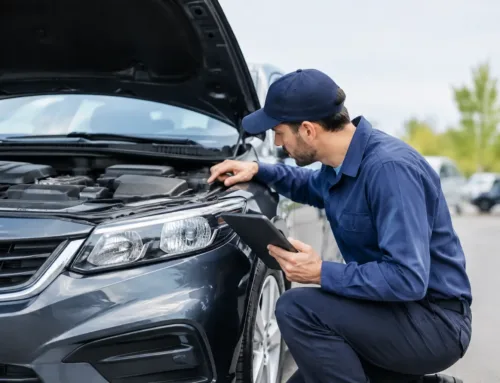
A vehicle can look clean, drive well, and still need work before it can be registered in Alberta. An out of province inspection is a formal safety assessment for eligible vehicles brought in from another province, the United States, or elsewhere. It is not the same as a quick oil-change inspection or a pre-purchase check. The goal is to confirm that the vehicle meets Alberta’s requirements for safe road use and registration.
For drivers relocating to Calgary, buying a vehicle from outside Alberta, or bringing in a work truck for a growing fleet, the process can feel like one more piece of paperwork. The good news is that a properly prepared inspection gives you a clear picture of what needs attention, why it matters, and what it will take to move forward.
Why an Out of Province Inspection Is Different
A standard maintenance inspection helps you plan for wear items such as brakes, tires, fluids, belts, and suspension components. An out of province inspection follows a regulated inspection process and is completed by an authorized facility. The technician documents the condition of required systems and identifies items that do not meet the applicable standard.
That distinction matters. A vehicle may be dependable for daily driving but still have a cracked windshield in the driver’s view, an inoperative light, excessive corrosion in a structural area, or a modified component that needs correction before it passes. Inspection standards focus on safety and compliance, not whether every part of the vehicle is brand new.
The inspection certificate is generally needed as part of the Alberta registration process when the vehicle does not qualify for an exemption. Requirements can differ based on the vehicle’s age, origin, ownership history, and registration situation, so it is smart to confirm what your registry agent requires before booking. That small phone call can prevent a wasted trip or an avoidable deadline problem.
What an Out of Province Inspection Typically Checks
The technician does not inspect just one area. They assess the systems that have a direct effect on whether the vehicle can operate safely on public roads. The exact scope depends on vehicle type and applicable rules, but the inspection commonly includes the following areas:
- Brakes, including component condition, operation, lines, hoses, and parking brake function
- Steering and suspension, including wear in joints, mounts, shocks, struts, and related components
- Tires, wheels, bearings, and visible axle or driveline concerns
- Lights, reflectors, horn, wipers, windshield condition, mirrors, and other required safety equipment
- Frame or body condition, fuel system, exhaust, emissions-related equipment where applicable, and visible leaks
- Seat belts, doors, latches, airbags or warning lights where relevant, and the vehicle identification number
The technician may road-test the vehicle when appropriate and will also inspect it on a hoist. That matters because some issues are impossible to confirm from a driveway. Rust hidden underneath, a leaking brake line, loose steering hardware, or a damaged exhaust hanger may not be obvious during a short test drive.
For commercial vehicles and fleet equipment, the stakes can be higher. A failed inspection can affect scheduling, deliveries, staffing, and operating costs. Planning the inspection before the vehicle is urgently needed gives your team time to handle repairs without scrambling.
Passing Does Not Mean Nothing Is Worn
An inspection is a pass or fail assessment against required standards. It is not a promise that the vehicle will not need maintenance next month. Brake pads can be serviceable today but nearing the point where replacement should be budgeted. Tires may pass their current threshold but still be a poor choice for an Alberta winter.
A good shop will separate required repairs from maintenance recommendations. That clarity allows you to address what is necessary for certification first, then make an informed decision about other work. You should never have to guess which item is required and which one is simply worth watching.
Common Reasons Vehicles Need Repairs
Many out-of-province vehicles pass without major problems, especially when they have been well maintained. Still, certain issues appear regularly, particularly on vehicles that have spent years in regions with heavy road salt, extreme weather, rough roads, or inconsistent maintenance.
Brake concerns are common. Rust can build up on rotors, brake lines, mounting hardware, and parking brake components. A vehicle that sat for several months before being sold may have brake issues even if it seemed fine during a brief viewing.
Lighting is another frequent concern. Burned-out bulbs, cracked housings, moisture inside lenses, and non-functioning daytime running lights are often straightforward repairs, but they can still hold up registration. Windshields can also cause trouble when damage affects the driver’s viewing area.
Suspension and steering wear deserves close attention in Alberta. Loose ball joints, worn tie rod ends, damaged bushings, and leaking struts can affect control, tire wear, and braking performance. On trucks and modified vehicles, improper lift components, oversized tires, or altered lighting can create added inspection questions. Modifications are not automatically a problem, but they need to be installed safely and meet applicable requirements.
Structural corrosion is one of the bigger variables. Surface rust is not always a failure. Rust that weakens a frame, mounting point, floor area, brake line, or other safety-related structure is more serious. This is one reason an online photo gallery and a clean exterior are not enough when buying an out-of-province vehicle.
How to Prepare Before Your Appointment
The best preparation is not trying to hide a problem. It is checking the simple items first and arriving with the documentation the shop needs to identify the vehicle correctly.
Bring your registration or ownership documents and any information requested by the inspection facility. If the vehicle has recently had repairs, service records can also be useful. They may not change the inspection outcome, but they can help clarify what has been replaced and when.
Before your appointment, check that all exterior lights work, the horn operates, the windshield washers spray, and the wipers clear the glass effectively. Look at the tires for obvious damage and make sure the vehicle is reasonably clean underneath and inside. A vehicle covered in mud, packed snow, or loose cargo can make a thorough inspection more difficult.
If you know about a concern, mention it when you book. For example, tell the shop if the check engine light is on, the vehicle has aftermarket suspension, it was recently in a collision, or it has been sitting. Honest information helps the technician plan the appointment properly and reduces surprises.
What Happens If Your Vehicle Does Not Pass
A failed result is frustrating, but it is not the end of the process. You will receive a report identifying the items that require correction. Review it carefully with the service advisor or technician and ask practical questions: What is required for compliance? What caused the issue? Are there related repairs that should be handled at the same time? What can wait until later?
Some repairs are simple, such as replacing a bulb, wiper blade, or damaged mirror. Others may involve brakes, tires, suspension, exhaust components, or corrosion repair. Cost depends on the vehicle, parts availability, and the extent of the work. An experienced repair shop should provide a clear estimate before proceeding and explain the repair in plain language.
Once required repairs are completed, the vehicle must be reinspected according to the applicable process and timelines. Do not assume the original inspection result remains open indefinitely. Confirm the timing with the facility and your registry agent so you can complete the registration process without unnecessary delays.
There is also a practical decision to make if a vehicle needs extensive work. If you bought it recently, compare the repair cost with the vehicle’s condition, market value, and long-term reliability. For a newer vehicle with solid maintenance history, repairing it may make sense. For an older vehicle with serious rust, repeated warning lights, and multiple major repairs, it may be worth pausing before committing more money.
Choosing the Right Shop for the Inspection
Price matters, but an out of province inspection is not a service where the lowest advertised number should be the only factor. You need an authorized shop with technicians who understand the process, equipment to inspect the vehicle properly, and a team willing to explain the results without pressure.
Ask whether the facility can complete the inspection and any needed repairs in the same location. That can save time, especially if the report identifies brake, suspension, windshield, tire, or diagnostic concerns. It is also helpful to ask how findings are documented and whether you will receive a clear breakdown of required items versus recommended maintenance.
At Beyond Auto Performance, that conversation starts with the vehicle in front of us, not a sales script. Whether you are registering a family SUV, a commuter car, or a fleet vehicle, the priority is to identify legitimate concerns, repair what is needed correctly, and help you get back on the road with confidence.
Book the inspection before your registration deadline, leave room for possible repairs, and keep the report with your vehicle documents. A little planning now is far easier than discovering a safety issue when you are already waiting at the registry counter.