You usually do not get much warning before worn brakes turn into a bigger problem. One day the pedal feels normal, then a week later you hear grinding at a stoplight or feel the steering wheel shake on Deerfoot. If you are wondering when to replace car brakes, the honest answer is that mileage matters less than condition, driving habits, and how quickly early warning signs get checked.
Brakes wear gradually, which is why many drivers miss the change until performance drops. A proper inspection looks at more than just pad thickness. Rotor condition, caliper operation, brake fluid health, and how the vehicle is used all play a role. For daily commuters, family SUVs, rideshare vehicles, and commercial fleets, staying ahead of brake wear is one of the simplest ways to protect safety and avoid a more expensive repair later.
When to replace car brakes based on real-world wear
A lot of drivers have heard a rough guideline that brake pads last somewhere between 40,000 and 70,000 kilometers. That range is not wrong, but it is broad for a reason. A vehicle used mostly on open highways may go much longer than one driven in stop-and-go city traffic. Calgary winters, hills, road conditions, towing, and carrying extra weight can all shorten brake life.
Front brakes usually wear faster than rear brakes because they handle more of the stopping force. On some newer vehicles, rear pads can also wear sooner than expected because of electronic brake distribution and stability systems. That is why guessing based on mileage alone can lead to missed wear or replacing parts too early.
The better rule is this: replace brake pads when they are close to minimum thickness, replace rotors when they are too worn or damaged to machine safely, and inspect the full brake system regularly so small issues do not turn into metal-on-metal contact.
The clearest signs your brakes need attention
Some symptoms are obvious, and some are easy to ignore until they become costly. Squeaking is often the first thing people notice. In some cases, that noise is just moisture or surface rust after the vehicle sits. In other cases, it is the wear indicator telling you the pads are getting low.
Grinding is more serious. That usually means the friction material on the pad is gone or nearly gone, and metal is contacting the rotor. At that point, a basic pad replacement may have already turned into pads and rotors, and sometimes caliper damage if it has been left too long.
A brake pedal that feels soft, unusually hard, or lower than normal can point to a hydraulic issue, worn components, contaminated fluid, or air in the system. Vibrations during braking often suggest rotor problems, although suspension issues can sometimes feel similar. If the car pulls to one side under braking, that may mean uneven brake wear, a sticking caliper, or a tire and suspension issue that needs to be ruled out.
Longer stopping distances are the warning sign drivers should take most seriously. If the vehicle does not slow down with the same confidence it used to, the brakes need to be inspected. You never want to wait for a warning light or a loud noise before acting.
How mechanics decide whether it is pads, rotors, or more
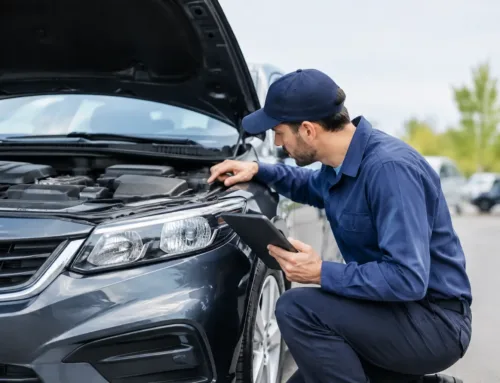
A proper brake inspection should answer a few basic questions. How much friction material is left on the pads? Are the rotors still within specification for thickness and condition? Are the calipers moving freely and applying pressure evenly? Is the brake fluid in good shape? Are the hoses, hardware, and slides still working the way they should?
Pads are the wear item most people expect to replace. Rotors are a little more situation-dependent. Some can be machined if there is enough material left and the surface damage is minor. Others should be replaced because they are too thin, heavily scored, heat-spotted, rust-damaged, or prone to vibration. On many modern vehicles, rotor replacement during pad service is common because the parts are thinner than older designs and less tolerant of machining.
This is where honest diagnostics matter. Not every brake job needs every part. But trying to save a little by reusing worn rotors or ignoring seized hardware often leads to uneven pad wear, noise, pulsation, and shorter service life.
How driving habits affect when to replace car brakes
Two drivers can own the same vehicle and get very different brake life. The one who leaves extra following distance, coasts to stops, and avoids hard braking will usually get more life from the pads and rotors. The one who drives aggressively, brakes late, or spends most of the time in dense traffic will wear them out much faster.
Vehicle use matters too. Delivery vehicles, rideshare cars, and commercial fleets often see more frequent brake service because they rack up city kilometers, idle often, and stop repeatedly throughout the day. Larger SUVs and trucks can also wear brakes faster, especially if they tow, carry tools, or haul equipment.
Weather has an impact as well. Snow, slush, road salt, and freeze-thaw cycles can contribute to corrosion on rotors and hardware. A vehicle that sits for long periods can develop rust that affects braking feel and rotor condition, even if the pad material itself is not fully worn out.
Why you should not wait for grinding
Waiting until the brakes are obviously bad almost always costs more. Early on, low pads may be a straightforward repair. Left alone, those same pads can wear through and damage the rotors. If the caliper has to overextend because the pad material is gone, that can create another layer of expense. In severe cases, overheated or dragging brakes can affect wheel bearings, tires, and overall braking safety.
There is also the question of predictability. Brakes rarely fail at a convenient time. They act up when traffic is heavy, when the roads are slick, or when you are already trying to get to work, make a delivery, or pick up the kids. Catching wear during inspection gives you options. Waiting for failure takes those options away.
How often your brakes should be inspected
For most drivers, brakes should be looked at during regular maintenance, especially tire rotations or seasonal service visits. That does not always mean parts need to be replaced. It means tracking wear before it becomes a safety issue.
If you drive for work, commute heavily, tow, or manage a fleet, more frequent inspections make sense. High-use vehicles benefit from a maintenance-first approach because downtime costs money and emergency repairs are rarely the affordable option. Routine brake checks can also help you plan service around your schedule instead of reacting to a breakdown.
A good shop will measure wear, explain what is urgent versus what can wait a bit, and show you what they found. That level of transparency matters because brake service should feel clear, not like a sales pitch.
Brake pad material and replacement timing
Not all brake pads wear the same way. Ceramic pads are often quieter and cleaner, while semi-metallic pads may offer strong braking performance but can be noisier and harder on rotors in some applications. The right choice depends on the vehicle, driving style, and whether you value low dust, long life, or braking feel most.
There is always some trade-off. A cheaper pad may save money upfront but wear faster, create more noise, or reduce stopping consistency. A better-quality pad usually pays off in smoother operation and more dependable performance. For daily drivers and working vehicles, choosing the right parts is part of keeping long-term costs under control.
What Calgary drivers should keep in mind
Local conditions can be rough on brakes. Cold starts, icy intersections, gravel, slush, and long winter stretches all add wear in different ways. Spring and fall are good times to have the system checked, especially if you are switching tires or preparing for a season of heavier driving.
At Beyond Auto Performance, we see plenty of brake issues that could have stayed smaller with earlier attention. That is not about pushing repairs. It is about catching pad wear, rotor damage, or sticking components before they create a more expensive job and a less safe vehicle.
The smartest time to replace brakes
The smartest time to replace brakes is before performance drops enough that you feel it in traffic. If the pads are nearing their limit, if the rotors are worn or damaged, or if the vehicle is showing any change in noise, pedal feel, or stopping distance, it is time for an inspection.
You do not need to wait for grinding. You do not need to guess based on mileage alone. You just need a clear look at the condition of the system and an honest recommendation on what needs attention now versus later.
If your brakes have been making noise, feeling different, or simply have not been checked in a while, getting them inspected now is a lot easier than dealing with avoidable damage after the fact. Safe, reliable braking is one of those things you should never have to second-guess.