A temperature gauge climbing past its normal range is not a warning to ignore until you get home. If you are asking, why is my car overheating, your engine is telling you that the cooling system cannot remove heat fast enough. Pulling over early can be the difference between a straightforward repair and major engine damage.
What to Do When Your Car Starts Overheating
If the temperature warning light comes on, steam appears from under the hood, or the gauge moves into the red, turn off the air conditioning and safely pull over as soon as possible. If the temperature continues rising while you are finding a safe place to stop, turning the heater to full heat can draw some heat away from the engine. It is uncomfortable, but it may help for a short distance.
Once parked, turn the engine off. Do not immediately open the hood if steam is escaping, and never remove the radiator cap or coolant reservoir cap while the engine is hot. Pressurized coolant can spray out and cause serious burns. Let the vehicle cool fully before checking anything under the hood.
Avoid the temptation to add cold water to a hot engine. Sudden temperature changes can stress metal components, and plain water is not a long-term replacement for the correct coolant mixture. If the vehicle has overheated severely, arranging a tow is usually the safest and least expensive decision.
Why Is My Car Overheating? The Most Common Causes
Your engine produces a tremendous amount of heat during normal driving. Coolant absorbs that heat, carries it through the radiator, and releases it into the air. A problem anywhere in that process can cause overheating.
Low Coolant or a Coolant Leak
Low coolant is one of the most common reasons for an overheating vehicle. The coolant may be leaking externally from a hose, radiator, water pump, thermostat housing, reservoir, or radiator cap. You might notice a sweet smell, a colored puddle under the vehicle, or crusty residue around cooling-system parts.
Not every leak leaves an obvious puddle. A small leak can evaporate on hot engine components, while an internal leak may allow coolant into the engine. If you regularly need to top off coolant, the system needs diagnosis. Coolant does not get used up under normal conditions.
A Stuck Thermostat
The thermostat controls when coolant flows from the engine to the radiator. When it sticks closed, hot coolant stays trapped in the engine and temperatures can rise quickly. When it sticks partially open, the engine may take too long to warm up, which is a different issue but still worth repairing.
A thermostat is a relatively small part, but replacing one without proper testing can waste money. A technician should confirm whether the thermostat is actually restricting coolant flow or whether another problem is causing the temperature rise.
Radiator Fan Problems
At highway speed, air naturally moves through the radiator. In slow traffic, at idle, or during a long drive-through line, electric cooling fans do much of the work. If a fan motor, relay, fuse, temperature sensor, or wiring connection fails, the vehicle may run normally on the highway but overheat in traffic.
This pattern is useful information. If the gauge rises while stopped and drops once you are moving, tell the repair shop. It helps narrow the diagnosis toward airflow or fan operation rather than assuming the radiator itself is the issue.
A Restricted or Damaged Radiator
Radiators can become restricted internally from old, contaminated coolant or externally from dirt, debris, bent fins, or damage. A restricted radiator may not shed heat efficiently, especially during heavy loads, hot weather, towing, or long uphill drives.
A cooling-system flush is not automatically the answer. In some cases, a severely restricted radiator needs replacement. The right repair depends on the vehicle’s condition, coolant history, and test results.
Water Pump Failure
The water pump circulates coolant through the engine and radiator. A worn pump may leak, make noise, or fail to move enough coolant. Some water pumps are driven by the timing belt or timing chain system, so the repair can range from straightforward to more involved depending on the engine design.
If a water pump is due as part of scheduled timing-belt service, handling both jobs together often makes sense. It avoids paying for overlapping labor later and helps protect the engine from a preventable cooling-system failure.
Head Gasket or Internal Engine Problems
A head gasket seals the combustion chambers, oil passages, and coolant passages between the engine block and cylinder head. When it fails, combustion pressure can enter the cooling system, coolant can enter the engine, or both can happen. Symptoms may include repeated overheating, white exhaust smoke, bubbles in the coolant reservoir, unexplained coolant loss, rough running, or milky-looking oil.
A head gasket concern does not always mean the engine is beyond repair, but it does call for prompt, accurate testing. Continuing to drive while overheating can warp cylinder heads and turn a repairable issue into a much larger one.
Patterns That Help Identify the Problem
The conditions under which the vehicle overheats matter. Overheating only at idle often points toward cooling fans or restricted airflow. Overheating at highway speed can suggest low coolant, a thermostat issue, a restricted radiator, poor coolant circulation, or an internal engine problem.
If the heat inside the cabin suddenly turns cold while the engine temperature climbs, low coolant or air trapped in the cooling system may be involved. If the temperature gauge swings up and down, do not assume the gauge is faulty. Unstable readings can occur when coolant levels are low or when air pockets prevent normal circulation.
A recent repair is also relevant. Cooling systems must be filled and bled correctly. An air pocket after hose, radiator, thermostat, or coolant work can cause overheating even when the reservoir appears full.
Can You Drive an Overheating Car?
It depends on how hot it gets and how quickly you can stop, but the safest answer is usually no. A brief rise that returns to normal after you turn off the A/C may give you time to reach a safer parking area. A gauge in the red, a warning message, steam, or coolant pouring out means the engine should be shut down.
Modern engines are expensive to repair after a severe overheat. Aluminum cylinder heads can warp, head gaskets can fail, and engine oil can lose its ability to protect internal parts at extreme temperatures. Saving a tow bill is rarely worth risking an engine replacement.
How a Proper Overheating Diagnosis Saves Money
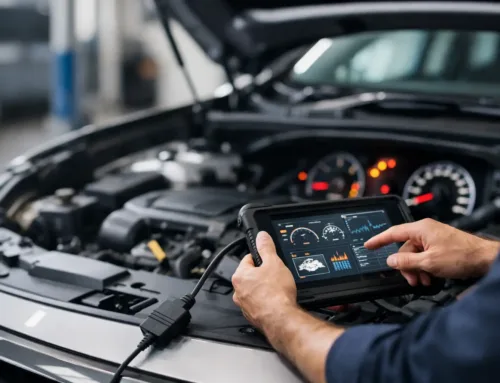
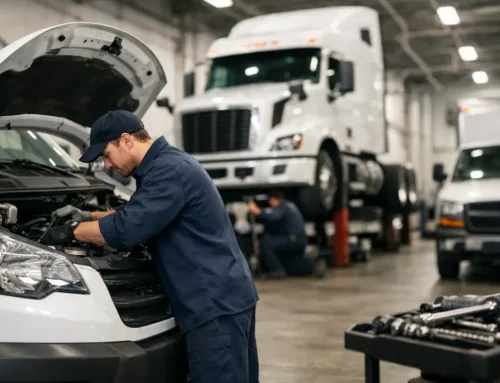
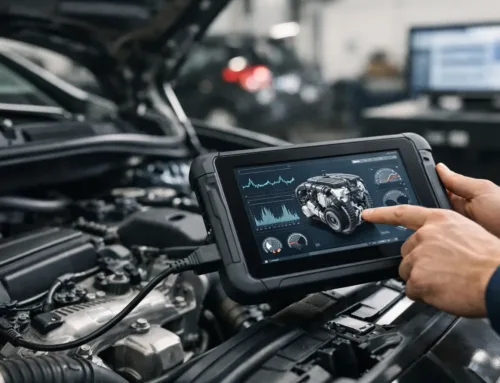
A trustworthy diagnosis should start with evidence, not guesswork. The technician may inspect for leaks, pressure-test the cooling system, verify fan operation, test thermostat performance, inspect the radiator, check coolant condition, and test for combustion gases in the cooling system when an internal leak is suspected.
The goal is to identify the root cause before replacing parts. For example, replacing a radiator will not fix a failed fan relay, and adding coolant will not solve a leaking water pump. Clear findings and an explanation of repair priorities help you decide what needs immediate attention and what can be planned.
For Calgary drivers, cooling-system reliability matters year-round. Cold winters can expose weak hoses, aging plastic fittings, and incorrect coolant mixtures, while summer traffic, towing, and long road trips put added demand on the system. Regular coolant inspections are a practical part of keeping a daily driver or fleet vehicle dependable.
Preventing Another Overheating Event
Check coolant only when the engine is cold, and use the coolant type specified for your vehicle. Mixing incompatible coolants can reduce corrosion protection and create deposits. Keep an eye on the temperature gauge, address sweet smells or unexplained coolant loss early, and follow the manufacturer’s maintenance intervals for coolant, belts, and water-pump-related service.
If your vehicle overheats once, do not treat it as a one-time inconvenience. Have the cause confirmed before it leaves you stranded again. A prompt cooling-system inspection gives you a clear answer, protects your engine, and helps keep your vehicle ready for the miles ahead.