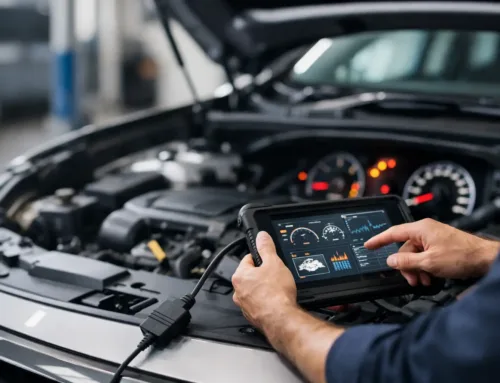
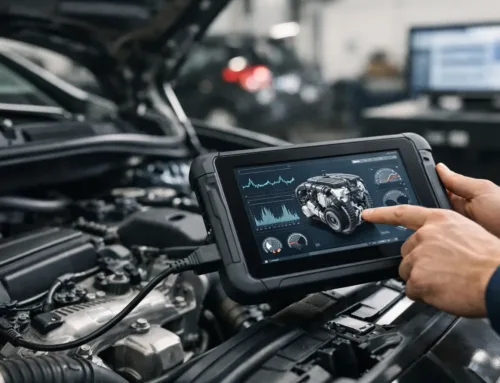
A work vehicle sitting in a parking lot does not just need a repair – it can delay appointments, leave equipment unavailable, and put extra pressure on the rest of the team. Reliable fleet repairs are about more than fixing a warning light or replacing worn parts. They are about keeping the vehicles your business depends on safe, predictable, and ready to earn their keep.
Whether you manage a few service vans, delivery vehicles, company cars, or a larger commercial fleet, the right repair approach can reduce surprise breakdowns and make maintenance costs easier to plan. The goal is not to replace parts before their time. It is to address concerns early, prioritize safety, and make decisions based on the vehicle’s actual condition and workload.
Why Fleet Repairs Need a Different Approach
A personal vehicle can sometimes wait a few days for a repair. A fleet vehicle often cannot. When a technician cannot get to a job site, a delivery cannot be completed, or a rideshare driver loses a shift, downtime becomes a business expense.
That changes how fleet service should be managed. A good fleet repair plan considers the urgency of the concern, the vehicle’s daily use, its mileage, and whether the issue could lead to a more expensive failure. For example, a minor oil leak may not stop a vehicle from operating today, but ignoring it can lead to low oil levels, damage to surrounding components, and a much larger repair later.
Fleet vehicles also tend to accumulate miles quickly. Stop-and-go driving, heavy cargo, long idle time, frequent short trips, and Calgary’s changing weather can all put extra strain on brakes, tires, suspension, batteries, cooling systems, and fluids. Maintenance schedules should reflect how the vehicle is used, not simply the date on a reminder sticker.
Build Fleet Service Around Prevention
The most affordable repair is often the one that never becomes an emergency. Preventive maintenance gives a repair shop the opportunity to catch wear before it causes a roadside breakdown or forces a vehicle out of service at the worst possible time.
Oil changes and fluid inspections are a starting point, but a useful fleet maintenance plan goes further. Brake condition, tire wear, wheel alignment, battery health, suspension components, belts, hoses, filters, lighting, and cooling-system performance all deserve regular attention. A vehicle that pulls to one side, for instance, may need more than an alignment. It could have uneven tire wear, worn steering parts, or suspension damage that needs to be identified first.
Use Driver Observations Early
Drivers are often the first people to notice a problem. A vibration at highway speed, a hard start in the morning, an intermittent warning light, reduced air conditioning performance, or a new brake noise should be reported while the concern is still small.
Encourage drivers to be specific. Instead of reporting that a vehicle “sounds bad,” they should note when the sound happens, where it seems to come from, whether it changes with speed or braking, and if any warning lights appeared. Those details help technicians diagnose the issue faster and can prevent unnecessary parts replacement.
Schedule Inspections for Real Working Conditions
A fixed maintenance interval can be useful, but it should not be the only guide. A lightly used company sedan and a heavily loaded service van may have the same engine, yet their maintenance needs can be very different.
Vehicles that idle frequently, tow equipment, carry tools, make repeated short trips, or cover high daily mileage may need shorter service intervals. Fleet managers should also plan seasonal inspections. Cold-weather starting, tire traction, battery performance, heater operation, windshield condition, and cooling-system protection matter even more when temperatures change quickly.
Prioritize Repairs by Safety, Reliability, and Cost
Not every repair has the same urgency. A clear conversation with your repair provider helps you decide what needs immediate approval, what should be scheduled soon, and what can be monitored.
Repairs That Should Not Wait
Brake concerns, steering play, damaged tires, overheating, major fluid leaks, engine misfires, flashing warning lights, and suspension damage should be addressed promptly. These issues can affect safety, create further damage, or leave a driver stranded.
A check engine light does not always mean a vehicle needs to be pulled from service immediately. However, it does mean the vehicle should be diagnosed rather than ignored. The same light can be caused by something relatively simple or by a fault that affects fuel economy, emissions equipment, engine performance, or long-term reliability. Diagnosis comes before a reliable repair recommendation.
Repairs That May Be Planned
Some concerns can be scheduled around your operational needs if they are inspected and monitored. Minor seepage, early tire wear, a weak but still functioning battery, or a worn suspension component may allow time for planning. That does not mean the repair should be forgotten. It means the fleet manager has enough information to coordinate the work before it creates a disruption.
The key is transparency. You should understand what was found, why it matters, what can happen if it is delayed, and what the recommended timeline looks like. A repair shop should not use urgency as a sales tactic, but it should be honest when a vehicle is not safe to keep on the road.
Choose a Fleet Repair Partner That Communicates Clearly
Fleet service works best when the shop understands that approval delays and unclear estimates cost time. Look for a repair partner that can provide straightforward findings, itemized estimates, and practical recommendations based on priority.
Digital vehicle inspections can be especially helpful for fleet managers who are not at the shop. Photos and technician notes make it easier to see tire damage, brake wear, leaking components, or worn suspension parts before approving a repair. This documentation also creates a useful service history for each vehicle.
Ask how the shop handles warranty-backed parts and repairs, how it communicates additional findings, and whether it can coordinate routine maintenance with unexpected repair needs. Beyond Auto Performance works with fleet owners who need clear answers and dependable service without the impersonal process or dealership-level pricing that can slow decisions down.
Consistency matters as much as repair capability. When the same shop maintains your vehicles over time, technicians can track repeat concerns, notice patterns across similar units, and make recommendations based on the fleet’s actual history rather than a single visit.
Keep Repair Costs Predictable Without Cutting Corners
Cost control does not mean choosing the cheapest repair every time. A lower initial price can become expensive if the repair uses poor-quality parts, skips necessary diagnosis, or fails soon after the vehicle returns to work.
Instead, focus on total operating cost. Preventive maintenance can reduce major failures. Correct wheel alignment can help tires last longer. Prompt cooling-system repairs can protect an engine. Addressing brake wear before metal contacts metal can prevent rotor damage and a larger invoice.
A repair estimate should make room for practical choices when they exist. In some cases, an original-equipment-quality part is the right investment. In others, a reputable aftermarket option may make sense for the vehicle’s age, use, and expected service life. The right choice depends on the vehicle, not a one-size-fits-all parts policy.
Plan for Calgary Driving Conditions
Calgary fleets deal with cold starts, potholes, road debris, temperature swings, and winter driving conditions that can expose weak components quickly. Batteries that were acceptable in mild weather may struggle when the temperature drops. Tires with low tread can lose traction long before they look completely worn. Suspension and alignment issues may become more noticeable after rough roads or curb impacts.
Seasonal maintenance is a practical way to reduce avoidable downtime. Before winter, check battery health, tire condition, brakes, wipers, lights, heaters, defrosters, and coolant protection. Before warmer weather, inspect air conditioning performance, cooling components, and tires that may have worn unevenly over winter.
What to Expect From a Good Fleet Repair Visit
A professional fleet visit should begin with the concern you reported and a thorough inspection where appropriate. The shop should identify the cause before recommending repairs, explain any additional findings, and seek approval before performing work beyond the agreed scope.
After repairs are complete, your records should show what was serviced, what parts were used, and what may need attention later. That information becomes more valuable with every visit. It helps you budget, schedule future work, and decide when a vehicle is becoming too costly to operate.
The best time to address a fleet issue is usually when it is still a manageable maintenance item, not when it has turned into a missed day of work. Give drivers a clear way to report concerns, keep service records organized, and choose a shop that treats every vehicle in your fleet like it has a job to do tomorrow.