A brake pedal that suddenly feels soft on Deerfoot Trail, a steering wheel that shakes at a stoplight, or a sharp squeal in a parking lot is more than an annoyance. It is your vehicle asking for attention. Timely brake service helps protect the people in your vehicle, prevents damage from spreading, and gives you confidence when traffic, weather, or a sudden stop puts your brakes to the test.
Brakes do not usually fail without warning. More often, they provide smaller clues first. Knowing what those clues mean can help you book service before a routine repair becomes a larger and more expensive job.
What Brake Service Actually Includes
Brake service is not one single repair. The right work depends on your vehicle’s condition, driving habits, and the type of braking system it uses. A proper inspection starts by looking beyond the brake pads.
A technician should inspect pad thickness, rotor condition, calipers, brake hoses, hardware, brake fluid, and the parking brake system. They should also check for uneven wear patterns, leaks, seized components, heat damage, and any concerns that could affect stopping performance. On many modern vehicles, electronic systems such as ABS, traction control, and brake wear sensors may also need attention.
If the pads are worn but the rotors remain within specification and have a suitable surface, replacing pads may be enough. If the rotors are heavily grooved, warped, rusted, or below minimum thickness, they may need replacement at the same time. Reusing damaged rotors with new pads can lead to noise, vibration, uneven braking, and shorter pad life.
The goal is not to sell every possible brake part. It is to identify what your vehicle needs now, explain why, and help you avoid work that can safely wait.
Signs You Should Schedule Brake Service
Some brake concerns are obvious. Others are easy to ignore until they become serious. If you notice a change in how your vehicle stops, it is worth having it checked rather than guessing.
Squealing or screeching when braking is one of the most common warning signs. Many brake pads have a built-in wear indicator that makes noise when pad material gets low. Noise can also come from rust, debris, glazed pads, or worn hardware, so it does not automatically mean every component needs replacement. Still, it deserves an inspection.
Grinding is more urgent. It can mean the pad material has worn away and metal is contacting the rotor. Continuing to drive can damage rotors and calipers, turning a pad replacement into a more involved repair.
A vibration through the steering wheel or brake pedal during braking often points to uneven rotor surfaces or brake components that are not operating smoothly. The sensation may be more noticeable at highway speeds, but it should not be dismissed just because the vehicle still stops.
A soft, spongy, or sinking brake pedal can indicate air or moisture in the brake fluid, a fluid leak, or a hydraulic issue. A pedal that feels unusually hard can also signal a problem with brake assist. Both situations call for prompt professional diagnosis.
Other warning signs include pulling to one side when braking, a burning smell after normal driving, reduced stopping power, a brake warning light, or a parking brake that no longer holds the vehicle securely. These are safety concerns, not maintenance items to postpone until the next oil change.
Pads, Rotors, Fluid, and Calipers Work Together
Brake pads create friction against the rotors to slow the wheels. That is the part most drivers think about, but it is only one piece of the system. The caliper applies pressure to the pads, brake fluid transfers force through the hydraulic system, and hardware helps the pads move correctly and quietly.
When one component is neglected, it can affect the others. A sticking caliper may wear one pad much faster than the other and overheat the rotor. Old brake fluid can absorb moisture over time, lowering its boiling point and contributing to internal corrosion. Worn pad hardware can cause rattles, dragging, or uneven contact.
This is why a low-price pad replacement is not always the best value. The lowest initial quote may not include rotor replacement, fluid inspection, new hardware, or correction of a seized caliper. A clear estimate should show what is being replaced, what is being inspected, and why each recommendation matters.
How Often Do Brakes Need Attention?
There is no single mileage interval that fits every vehicle. Some drivers need pads at 25,000 miles, while others may go much longer. City driving, stop-and-go traffic, steep grades, towing, vehicle weight, driving style, and the quality of previous brake work all affect wear.
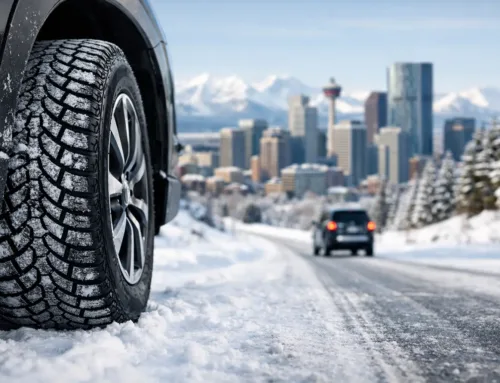
Calgary drivers also deal with winter road treatment, temperature swings, and periods when vehicles sit outside. Surface rust on rotors can develop quickly, particularly after moisture or snow. Light rust may clear after a few normal stops, but heavy corrosion can cause noise, vibration, and poor pad contact.
For a practical approach, have the brakes inspected during regular maintenance visits and before a long road trip. If you manage a fleet, include brake checks in your preventive maintenance schedule. Vehicles that carry passengers, equipment, or deliveries put more demand on braking systems and benefit from consistent monitoring.
Brake fluid should be assessed according to the vehicle manufacturer’s maintenance recommendations and its actual condition. Fluid service is often overlooked because it is not as visible as worn pads, yet it plays a direct role in reliable hydraulic braking.
What to Expect From a Straightforward Inspection
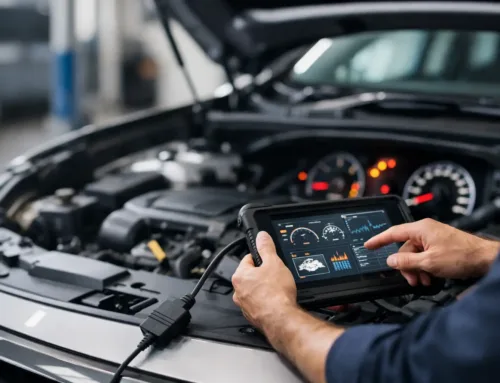
A good brake appointment should leave you with answers, not pressure. First, the shop confirms the concern you are experiencing and performs a visual and mechanical inspection. If there is a noise, vibration, pull, or warning light, diagnostics may be needed to identify the source rather than replacing parts based on assumptions.
You should receive a clear explanation of the findings. That may include pad measurements, rotor condition, evidence of leaks, or photos from a digital vehicle inspection when available. Ask whether the repair is required immediately, recommended soon, or simply something to monitor. Those are different conversations, and a trustworthy shop will treat them that way.
Quality parts and correct installation matter. Brake components need proper cleaning, lubrication where specified, torque procedures, and a road test when appropriate. On vehicles with electronic parking brakes or advanced driver-assistance features, technicians may also need the right diagnostic equipment to place the system in service mode or reset indicators correctly.
Can You Keep Driving With Brake Noise?
It depends on the noise and the way the vehicle behaves. A brief squeak after rain or an overnight freeze can be normal, especially if it disappears after a few stops. A persistent squeal, grinding sound, pedal change, warning light, or braking vibration is different. Those symptoms should be inspected as soon as possible.
If the brake warning light comes on, the pedal sinks toward the floor, fluid is leaking, or the vehicle has a major loss of braking power, do not continue driving. Arrange towing instead. Saving a short trip is never worth risking your ability to stop safely.
Brake Care That Saves Money Over Time
The best way to control brake repair costs is to address wear early. Replacing pads before they grind into the rotors is usually less expensive than waiting. Keeping caliper slides and hardware in good condition helps prevent uneven wear. Following through on fluid maintenance can protect the hydraulic components that are far more costly than a fluid service.
Driving habits matter too. Leave room in traffic, avoid repeated hard braking when possible, and use lower gears appropriately on long descents. For commercial vehicles and heavily loaded SUVs or trucks, make sure the braking system is inspected with the vehicle’s real-world workload in mind.
When your brakes feel different, do not wait for the sound to become impossible to ignore. Beyond Auto Performance can inspect the system, explain the condition clearly, and help you make a practical decision that keeps your vehicle safely on the road.