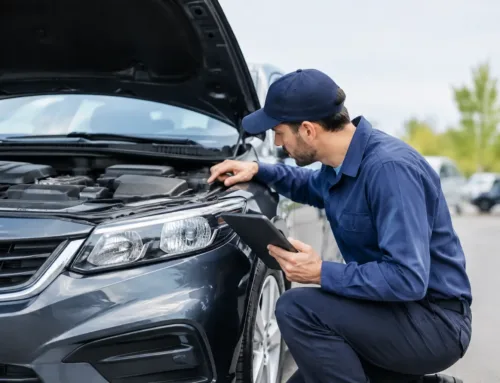
A Calgary cold snap can turn a vehicle that felt perfectly fine yesterday into a no-start, a poor heater, or a long slide at the first icy intersection. Knowing how to winterize your car is less about buying every accessory on the shelf and more about addressing the systems cold weather puts under real pressure: traction, battery power, fluids, braking, and visibility.
A little preventative maintenance before temperatures stay below freezing can help you avoid a tow, reduce wear on expensive components, and make every commute more predictable. This matters even more for families, rideshare drivers, work vehicles, and fleets that cannot afford surprise downtime.
How to Winterize Your Car: Start With Tires
Your tires are the only part of the vehicle that touch the road, so winter preparation starts there. All-season tires can work in cool, dry conditions, but they become less flexible as temperatures drop. Once the weather stays consistently near or below 45°F, dedicated winter tires offer a meaningful advantage in stopping, cornering, and accelerating on snow-packed or icy roads.
Look for the three-peak mountain snowflake symbol when choosing winter tires. This marking means the tire meets a recognized winter traction standard. Tires should be installed as a complete set of four whenever possible. Mixing winter tires on only one axle can create unpredictable handling, especially during emergency braking or turns.
Tread depth matters, too. A tire may be legally usable yet no longer provide the snow traction you need. If the tread is wearing unevenly, do not just replace tires without finding the cause. Alignment, suspension wear, and incorrect tire pressure can all shorten tire life and affect control.
Check tire pressure at least monthly through winter. Pressure drops as outside temperatures fall, and an underinflated tire can reduce fuel economy, wear unevenly, and handle poorly. Use the pressure listed on the driver-side door placard, not the maximum number printed on the tire sidewall.
Test the Battery Before It Tests You
Cold weather exposes a weak battery quickly. Engine oil thickens in low temperatures, the starter needs more power, and a battery produces less available power than it does in warm weather. A vehicle that starts slowly in October may not start at all after a hard freeze.
Have the battery and charging system tested before winter, especially if the battery is more than three years old or you have noticed slow cranking, dim lights, or intermittent electrical issues. A proper test looks beyond voltage. It checks whether the battery can hold a load and whether the alternator is charging it correctly.
Inspect battery terminals for corrosion and make sure the connections are secure. If you drive mainly short distances, the battery may not have enough time to recharge fully between starts. This is common with vehicles used for quick school runs, errands, or stop-and-go delivery work.
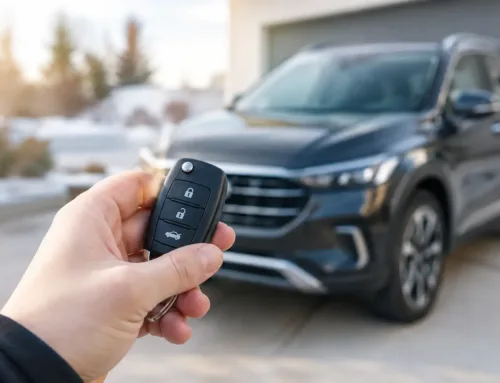
Remote starters add comfort on cold mornings, but they are not a substitute for a healthy battery or a properly operating heating system. If your vehicle struggles to start, address the underlying issue before relying on a remote start to warm it up.
Check Fluids and Replace What Needs Replacing
Not every fluid needs to be changed simply because winter is coming. The right service interval depends on your vehicle, mileage, maintenance history, and the condition of the fluid. However, winter is a good time to make sure every fluid is at the correct level and suitable for the temperatures ahead.
Engine coolant deserves special attention. Coolant does more than prevent freezing. It protects against corrosion, carries heat to the cabin heater, and helps the engine maintain a stable operating temperature. If the level is low, there is likely a leak or another issue worth diagnosing. Topping it up repeatedly without identifying the source can lead to overheating or expensive damage later.
Use winter-rated windshield washer fluid, not plain water. Water can freeze in the reservoir, lines, or nozzles, leaving you without visibility when road spray and slush build up. Keep a spare jug in the garage or trunk during the season.
Oil changes should follow the manufacturer’s recommended interval and viscosity. Modern oils are designed to perform across a broad temperature range, but old or low oil is never ideal in severe cold. If your oil change is due soon, handling it before winter gives you one less maintenance item to worry about.
Make Sure Heat, Defrost, and Visibility Work
A warm cabin is nice. A working defroster is a safety system. Your front defrost must clear interior fog and exterior frost quickly enough for you to see the road. If the air stays cold after the engine has warmed up, the airflow is weak, or there is a sweet coolant smell inside the vehicle, schedule an inspection rather than waiting for the problem to get worse.
Replace worn wiper blades before snow season. Streaking, chattering, torn rubber, and missed sections all make night driving harder when headlights reflect off wet pavement. Winter wiper blades can help in heavy snow, though standard quality blades often work well if they are replaced regularly and the windshield is clean.
Inspect exterior lighting while you are at it. Make sure headlights, brake lights, turn signals, and license plate lights work. Snow and grime can cover lenses quickly, so get in the habit of clearing them before driving. Good visibility means seeing clearly and being seen clearly.
Do Not Put Off Brakes, Steering, or Suspension Repairs
Winter roads leave less room for mechanical problems. A brake pedal that feels soft, a vehicle that pulls under braking, steering vibration, or a clunk over bumps should be checked before roads get slick. These symptoms can point to worn brake components, alignment issues, damaged suspension parts, or tire concerns.
Anti-lock brakes and traction control are helpful, but they cannot create grip where none exists. They work best when the tires, brakes, suspension, and steering are all in good condition. A wheel alignment is especially worth considering after curb contact, pothole impacts, or new tire installation.
For fleet vehicles, regular inspections are not just a maintenance expense. They reduce unscheduled downtime, help drivers stay safe, and make it easier to plan repairs around operations rather than reacting to a breakdown in bad weather.
Build a Winter Emergency Kit That You Will Actually Use
An emergency kit is not a replacement for proper vehicle maintenance, but it can make a delay safer and less stressful. Keep the supplies together in a tote or bag that is easy to reach. At minimum, carry a snow brush and ice scraper, warm gloves, a flashlight, a blanket, basic first-aid supplies, jumper cables or a jump pack, and a small shovel.
Add traction material such as sand or non-clumping cat litter if you regularly drive in areas where getting stuck is realistic. A phone charging cable and a small supply of water are also useful. If you travel outside the city or drive a commercial route, expand the kit for your distance, passenger needs, and expected conditions.
Check the kit at the start of each winter. Replace weak flashlight batteries, make sure the scraper is not cracked, and remove items that could freeze or leak.
Small Habits That Protect Your Vehicle All Winter
Winterizing is not a one-time event. Parking with a very low fuel level can increase the chance of moisture building up in the fuel system, so try not to run close to empty. Wash the vehicle regularly when temperatures allow, paying attention to wheel wells and the underbody where road salt and grime collect.
Avoid pouring hot water on an iced-over windshield. The rapid temperature change can crack glass, and the water can refreeze before you leave. Use an ice scraper, appropriate de-icer, and enough time to clear all windows, mirrors, lights, and the roof.
Finally, do not ignore a warning light just because the vehicle still drives. Cold weather can turn a minor issue into a no-start or a roadside problem faster than most drivers expect. If something feels different, from a battery that cranks slowly to brakes that sound unusual, a straightforward inspection now is usually easier on your schedule and budget than an emergency repair later.
Before the first sustained freeze, give your vehicle the same consideration you give your winter coat: check it early, repair what is worn, and make sure it is ready before you need it.